報道要點
《衛報》考察瑞典Falun的EcoDataCenter:木結構、可再生電力及餘熱利用共同降低環境負擔。公司稱供電75%來自水力、25%風力,80兆瓦設施把部分餘熱用於木顆粒加工及地區供暖,並採用液冷等技術。
背景與影響
報道同時指出模式依賴多年形成的電網、供熱網絡和地方協作,不能簡單複製。Borlänge新址佔地20萬平方米、規劃240兆瓦,首期預計2027年開放,運營方預期提供200至300個崗位;這都是項目規模與預期,非已經實現的就業。
仍待確認
加拿大規劃數據中心時可關注餘熱是否有實際用戶、當地收益及資源約束。低碳電源不代表無限擴張沒有代價,公司提供的效率指標也應與獨立評估及全生命週期影響一併看待。
來源:The Guardian 原報道。大魚新聞整理原創中文摘要;保留原網頁刊發日期。
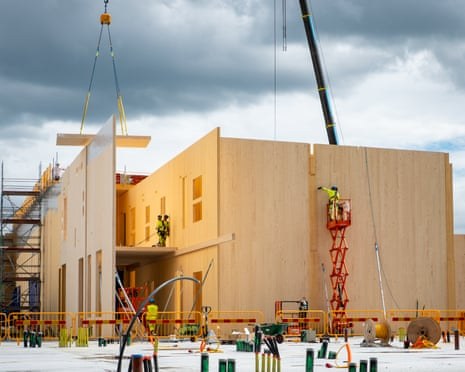
The construction of EcoDataCenter 2 in Borlänge, Sweden Photograph: Byggpartner View image in fullscreen The construction of EcoDataCenter 2 in Borlänge, Sweden Photograph: Byggpartner
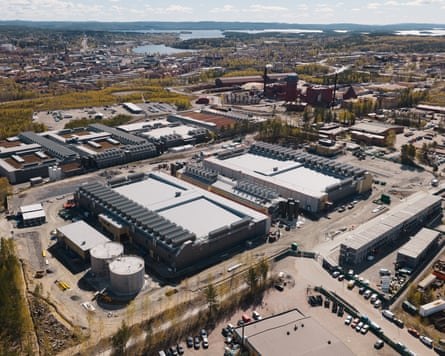
View image in fullscreen The EcoDataCenter facility in Falun, Sweden. Photograph: EcoDataCenter
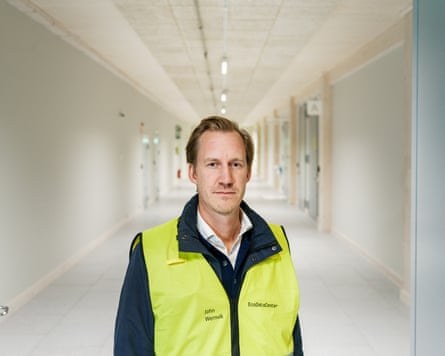
View image in fullscreen John Wernvik at EcoDataCenter’s Falun site. Photograph: Josefine Stenersen/The Guardian
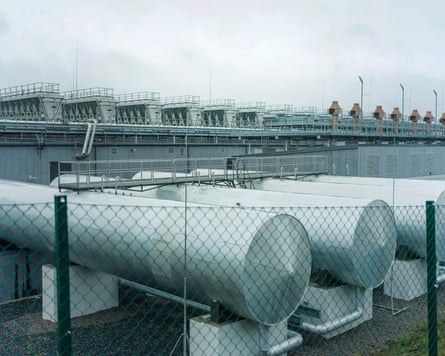
View image in fullscreen The water tanks used for cooling the computers at the Falun datacentre. Photograph: Josefine Stenersen/The Guardian
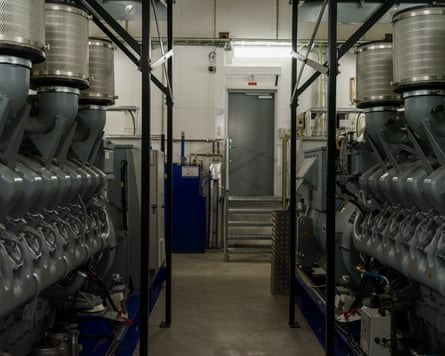
View image in fullscreen Inside the Falun facility. Photograph: Josefine Stenersen/The Guardian
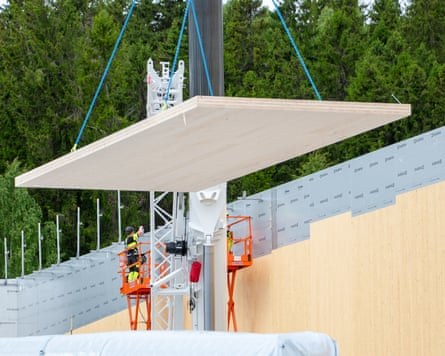
View image in fullscreen The construction of EcoDataCenter 2 in Borlänge. Photograph: Byggpartner
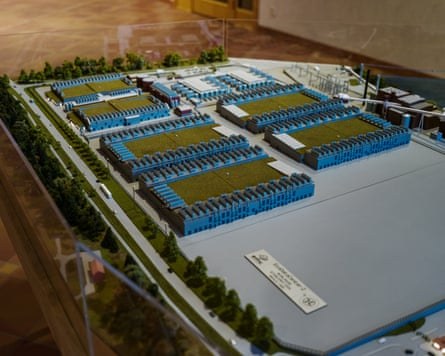
View image in fullscreen A model of the site in Borlänge. Photograph: Josefine Stenersen/The Guardian