报道要点
《卫报》考察瑞典Falun的EcoDataCenter:木结构、可再生电力及余热利用共同降低环境负担。公司称供电75%来自水力、25%风力,80兆瓦设施把部分余热用于木颗粒加工及地区供暖,并采用液冷等技术。
背景与影响
报道同时指出模式依赖多年形成的电网、供热网络和地方协作,不能简单复制。Borlänge新址占地20万平方米、规划240兆瓦,首期预计2027年开放,运营方预期提供200至300个岗位;这都是项目规模与预期,非已经实现的就业。
仍待确认
加拿大规划数据中心时可关注余热是否有实际用户、当地收益及资源约束。低碳电源不代表无限扩张没有代价,公司提供的效率指标也应与独立评估及全生命周期影响一并看待。
来源:The Guardian 原报道。大鱼新闻整理原创中文摘要;保留原网页刊发日期。
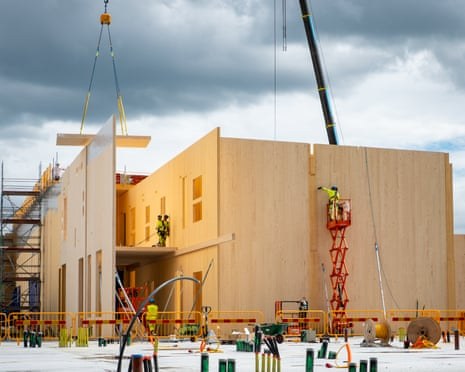
The construction of EcoDataCenter 2 in Borlänge, Sweden Photograph: Byggpartner View image in fullscreen The construction of EcoDataCenter 2 in Borlänge, Sweden Photograph: Byggpartner
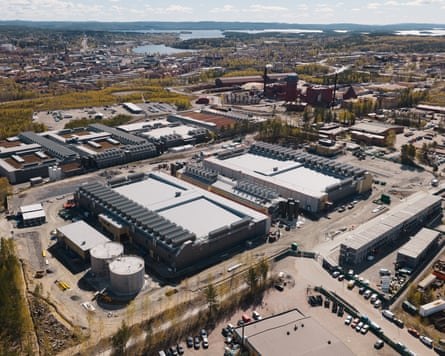
View image in fullscreen The EcoDataCenter facility in Falun, Sweden. Photograph: EcoDataCenter
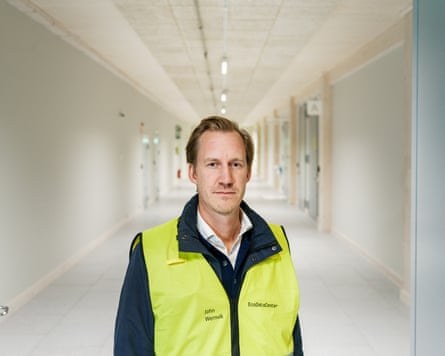
View image in fullscreen John Wernvik at EcoDataCenter’s Falun site. Photograph: Josefine Stenersen/The Guardian
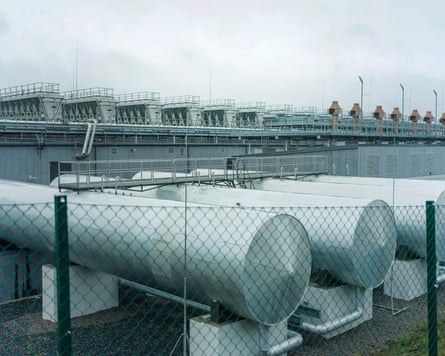
View image in fullscreen The water tanks used for cooling the computers at the Falun datacentre. Photograph: Josefine Stenersen/The Guardian
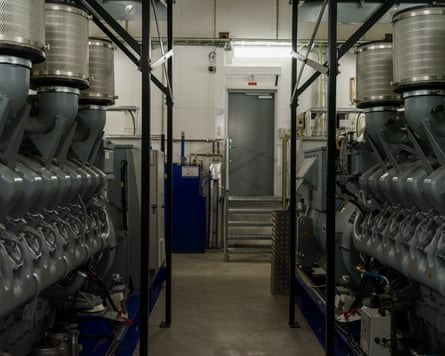
View image in fullscreen Inside the Falun facility. Photograph: Josefine Stenersen/The Guardian
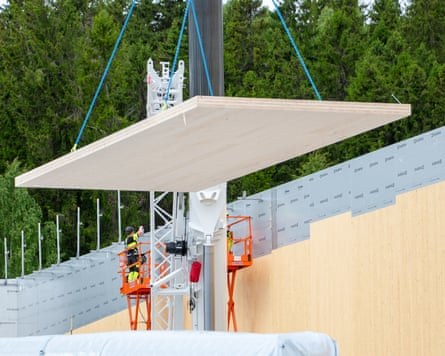
View image in fullscreen The construction of EcoDataCenter 2 in Borlänge. Photograph: Byggpartner
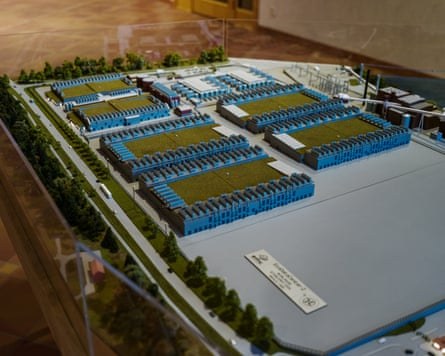
View image in fullscreen A model of the site in Borlänge. Photograph: Josefine Stenersen/The Guardian