用词背后的困惑
BBC采访英美家庭,发现部分青少年在家务、复习或家庭提问中使用triggering、gaslighting及boundaries等治疗语汇。一名英国母亲的儿子15岁和18岁,美国受访家长的儿子14岁和17岁;这些个案反映沟通经历,并不是所有青少年滥用心理术语的调查结论。
理解感受,不急着贴诊断
受访精神科医生Suzanne Garfinkle-Crowell认为,社交媒体帮助这些词进入日常语言,部分年轻人可能借较正式的说法争取被认真倾听。她同时提醒,如果孩子描述焦虑或抑郁等症状,家长可以咨询专业人员,而非仅视为顶嘴。日常词语、真实困扰和医学诊断应分别理解。
沟通可以更具体
受访治疗师建议先倾听,再用日常情绪词确认孩子是否孤独、压力大或难受,减少反复盘问,也可从自己的经历展开对话。报道中的家长发现,留一点空间后孩子有时更愿意主动分享。原文亦有对过度使用医学标签的担忧,但这不是证明某个词本身必然造成疾病;这些交流经验不能替代个别评估。
来源:BBC News 原报道。大鱼新闻整理原创中文摘要;保留原网页刊发日期。

@carla_elizabeth87 Carla says she had never heard of terms like "triggering" or "gaslighting" before her teenage sons started using them
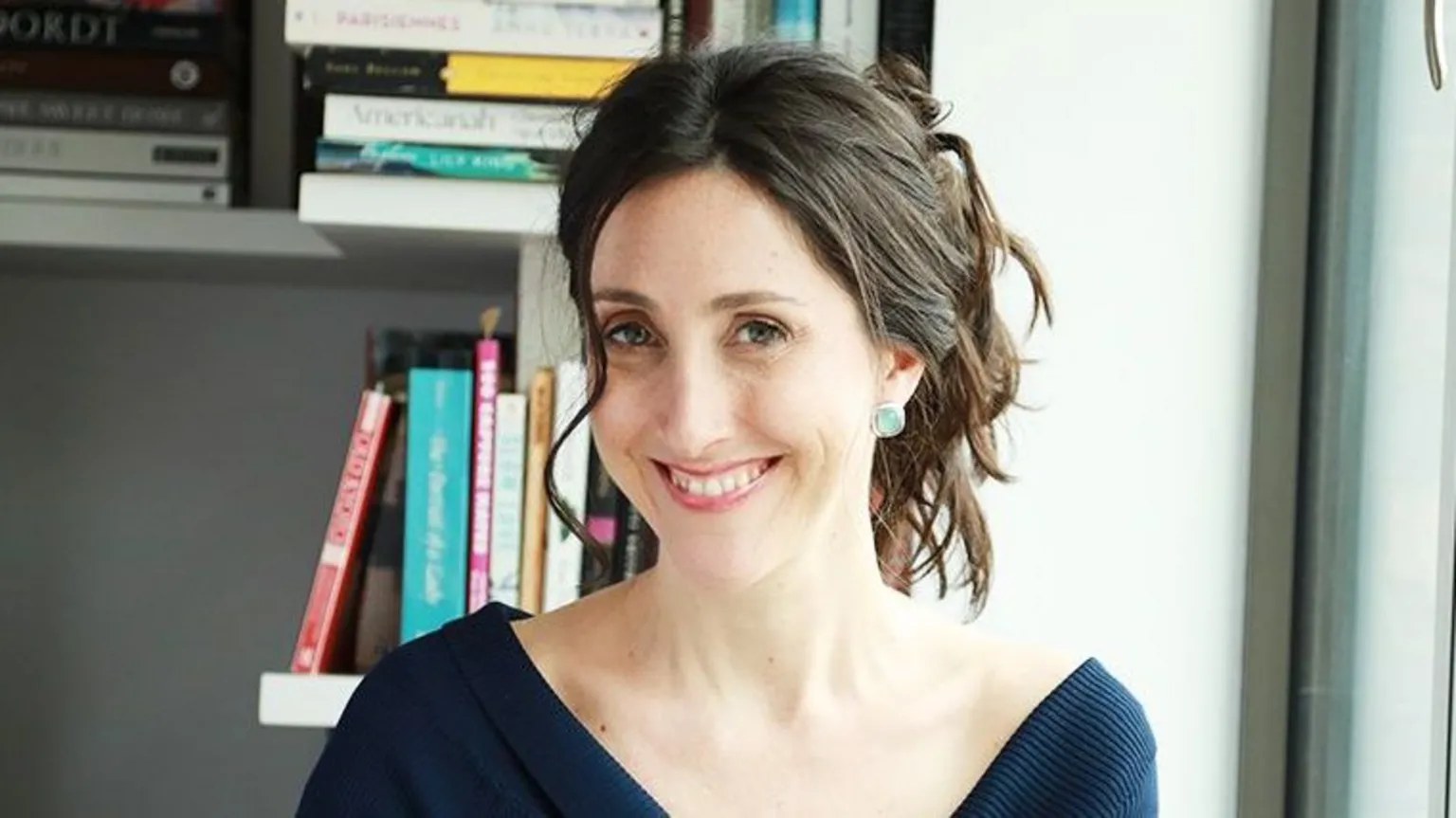
Dr Suzanne Garfinkle-Crowell Dr Suzanne Garfinkle-Crowell says parents shouldn't argue with their children about the terms they use
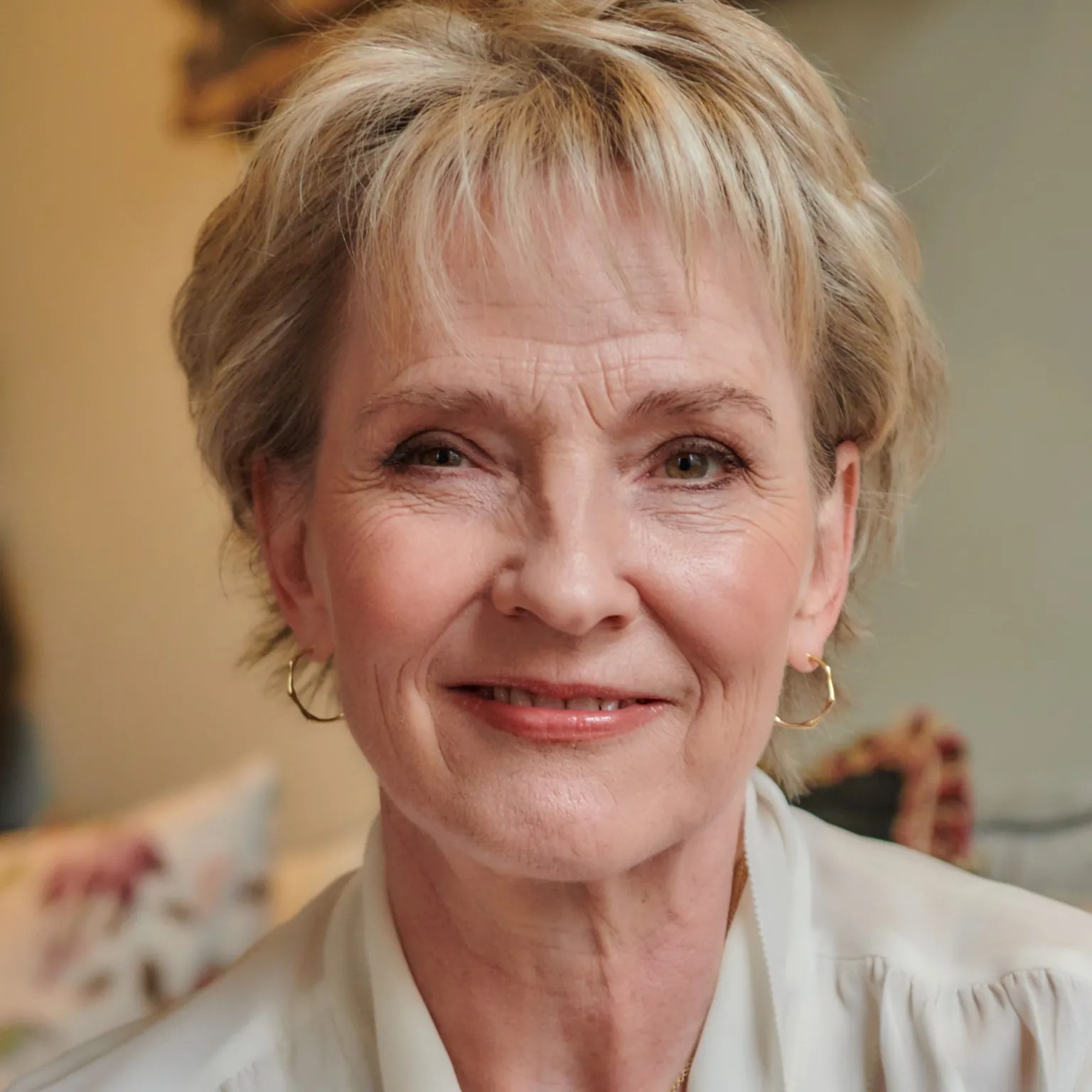
The Samuel Therapy Practice Julia Samuel suggests using ordinary language to help build a connection with your child
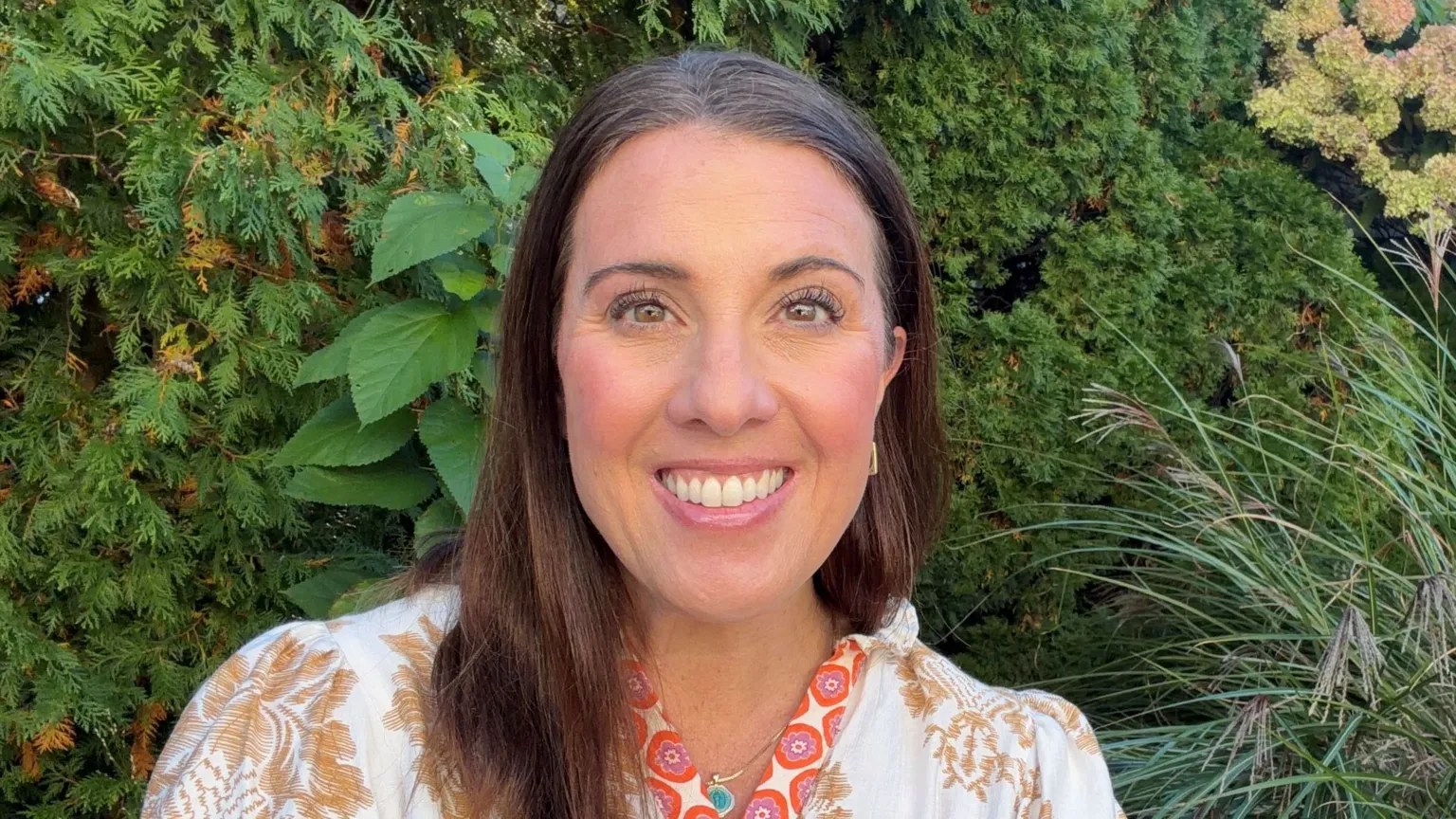
@shannons_edit Shannon's children often tell her she's triggered them when she asks them about school or friends