用詞背後的困惑
BBC採訪英美家庭,發現部分青少年在家務、複習或家庭提問中使用triggering、gaslighting及boundaries等治療語彙。一名英國母親的兒子15歲和18歲,美國受訪家長的兒子14歲和17歲;這些個案反映溝通經歷,並不是所有青少年濫用心理術語的調查結論。
理解感受,不急着貼診斷
受訪精神科醫生Suzanne Garfinkle-Crowell認爲,社交媒體幫助這些詞進入日常語言,部分年輕人可能借較正式的說法爭取被認真傾聽。她同時提醒,如果孩子描述焦慮或抑鬱等症狀,家長可以諮詢專業人員,而非僅視爲頂嘴。日常詞語、真實困擾和醫學診斷應分別理解。
溝通可以更具體
受訪治療師建議先傾聽,再用日常情緒詞確認孩子是否孤獨、壓力大或難受,減少反覆盤問,也可從自己的經歷展開對話。報道中的家長髮現,留一點空間後孩子有時更願意主動分享。原文亦有對過度使用醫學標籤的擔憂,但這不是證明某個詞本身必然造成疾病;這些交流經驗不能替代個別評估。
來源:BBC News 原報道。大魚新聞整理原創中文摘要;保留原網頁刊發日期。

@carla_elizabeth87 Carla says she had never heard of terms like "triggering" or "gaslighting" before her teenage sons started using them
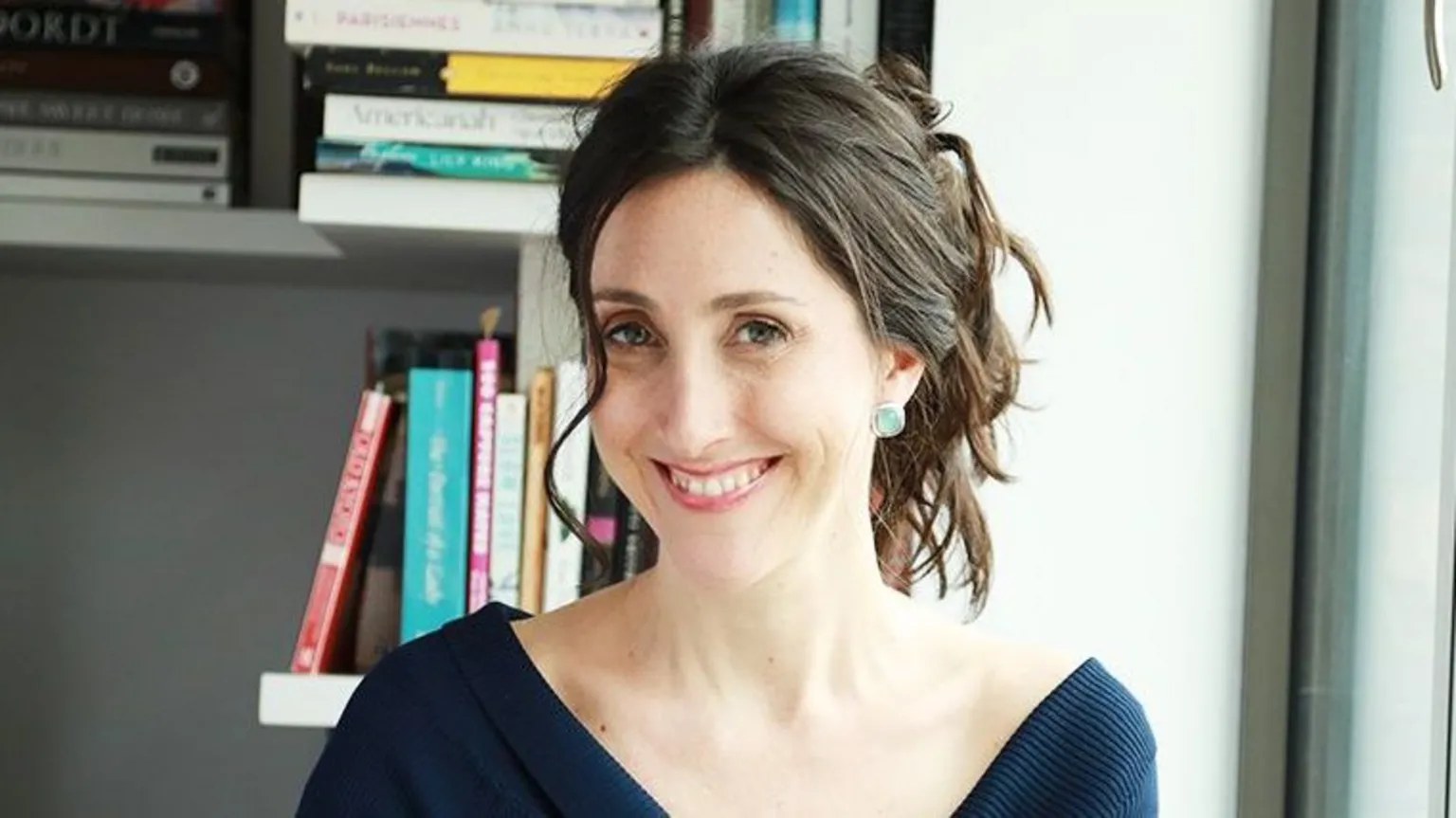
Dr Suzanne Garfinkle-Crowell Dr Suzanne Garfinkle-Crowell says parents shouldn't argue with their children about the terms they use
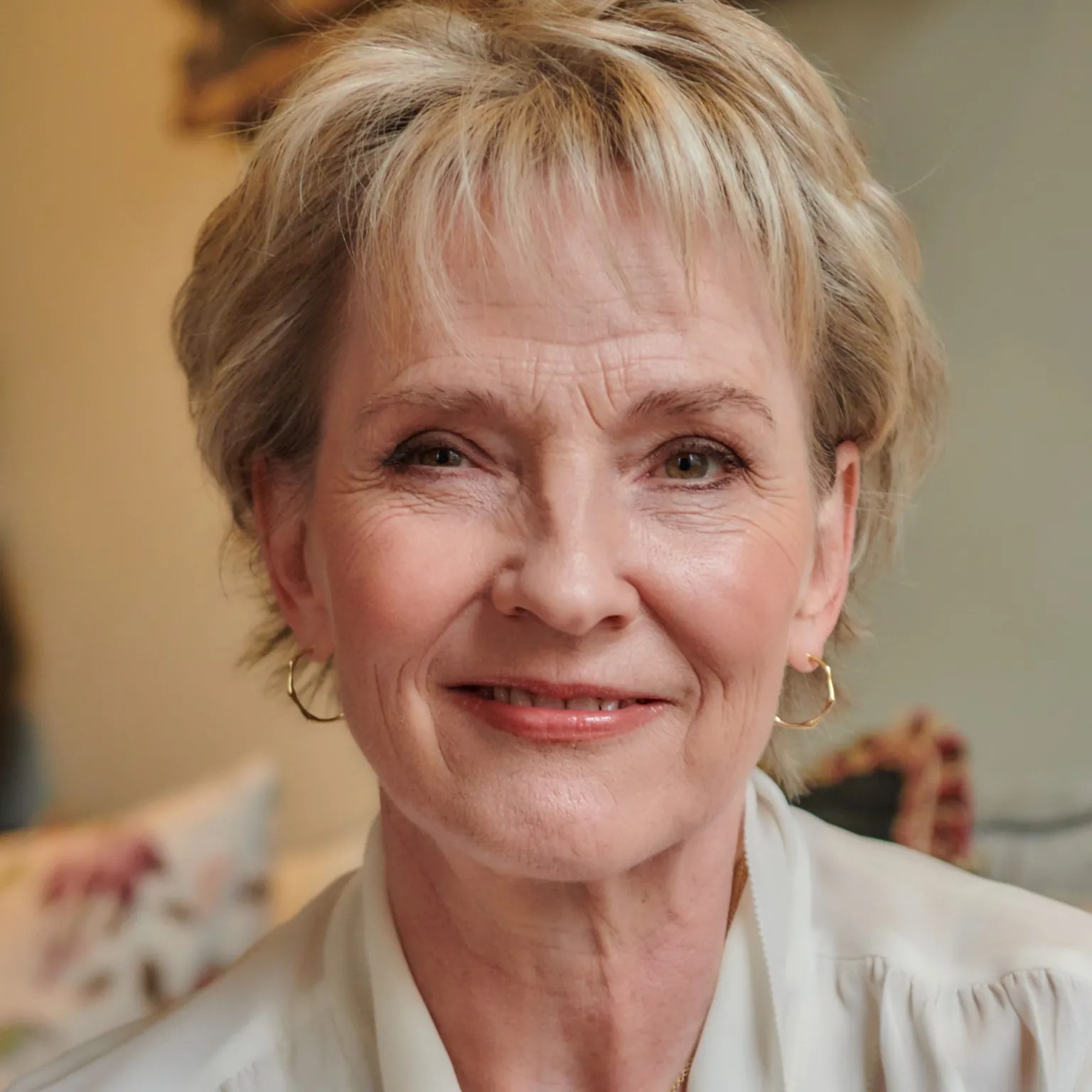
The Samuel Therapy Practice Julia Samuel suggests using ordinary language to help build a connection with your child
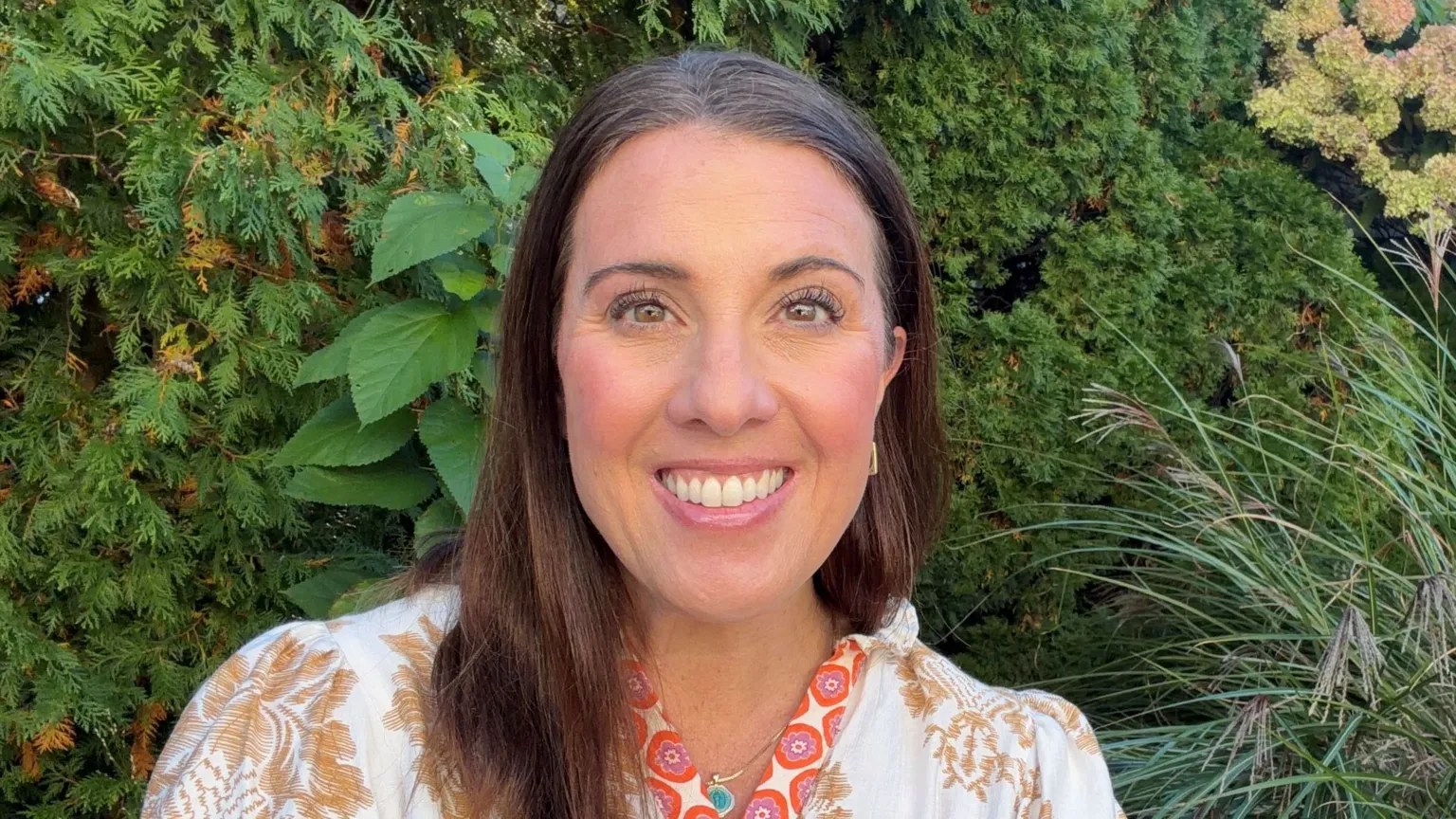
@shannons_edit Shannon's children often tell her she's triggered them when she asks them about school or friends