德國之聲11月16日分析,57國在此前聯合國氣候談判未能形成具體化石燃料退出路線後組成自願合作聯盟,並於今年4月在哥倫比亞Santa Marta舉行會議。加拿大、德國、澳大利亞、巴西等參與,討論各國如何制定轉型路線、調整補貼及支持相關勞動者轉業。
在土耳其Antalya舉行的COP31上,受訪專家認爲這一合作可積累政策經驗並維持政治動力,但現在斷言它將改變本屆談判結果仍太早。德國、法國和荷蘭已經發布國家路線,報道同時強調這些文件未增加新的承諾。下一次相關會議計劃於明年在Tuvalu舉行。
巴西提出的自願全球路線把轉型拆分爲適合不同國家財力及能源依賴程度的步驟,包括擴大可再生能源、減少化石燃料補貼及削減甲烷。土耳其另倡議2035年電力佔最終能源消費35%,但評論者認爲若未限定清潔發電來源,電氣化本身不等於退出化石燃料。這些仍是倡議與分析,不是各國已共同承擔的強制期限。
來源:Deutsche Welle 原報道。大魚新聞整理原創中文摘要;保留原刊發日期。
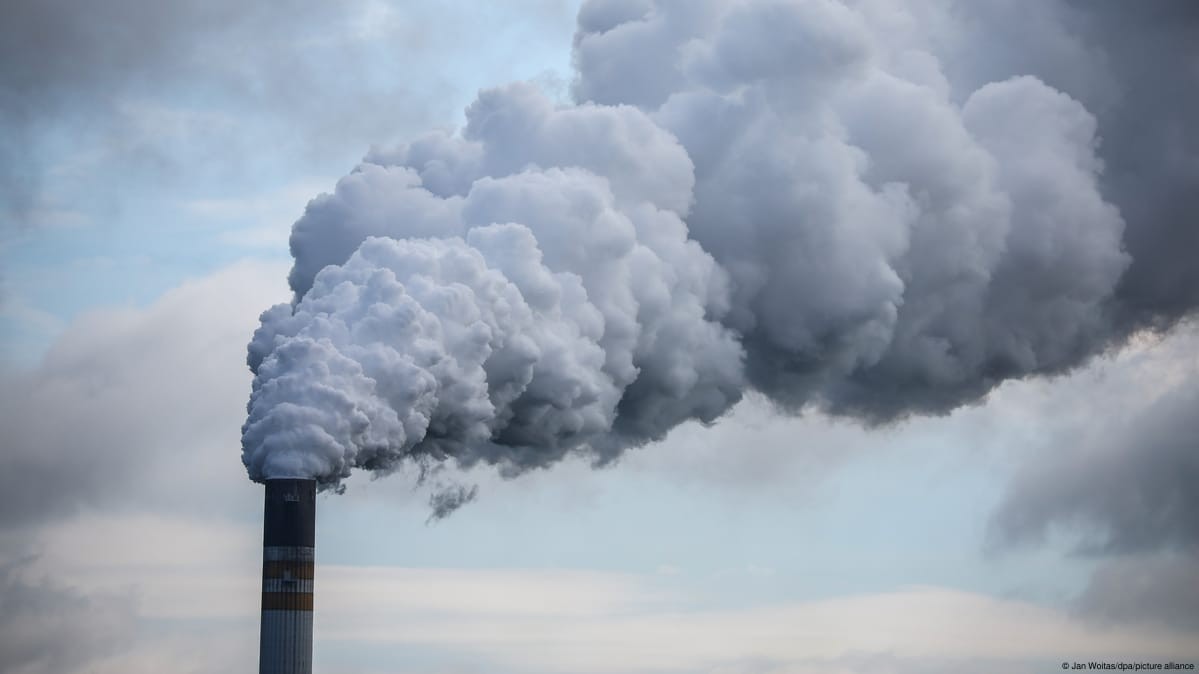
Countries have agreed to transition away from fossil fuels, but not on a plan for how to achieve the shift Image: Jan Woitas/dpa/picture alliance
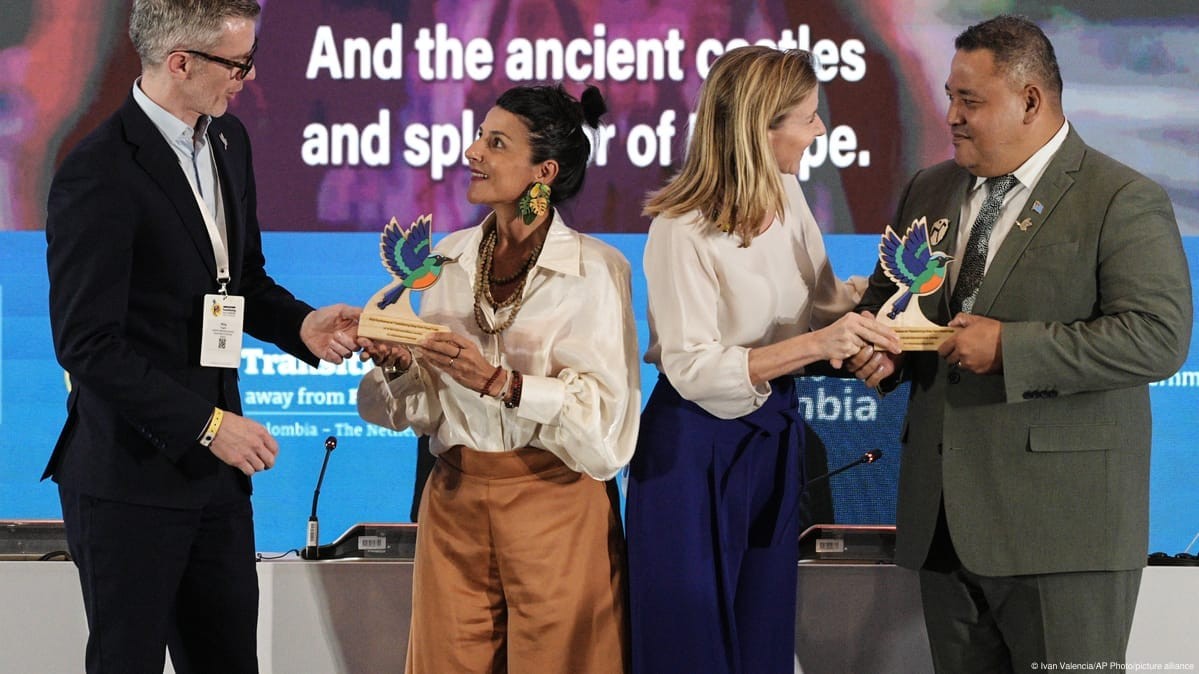
The Santa Marta meeting will be followed by a second conference in Tuvalu next year Image: Ivan Valencia/AP Photo/picture alliance
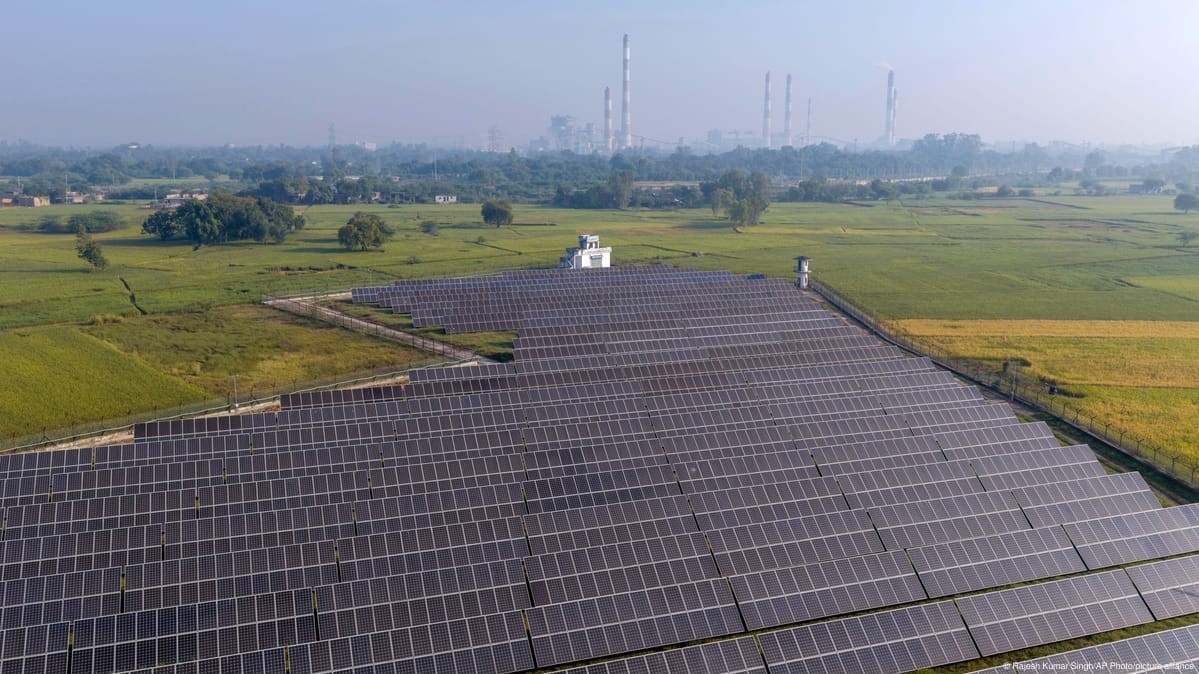
Phasing out fossil fuels will require scaling up renewable energy sources such as solar and wind Image: Rajesh Kumar Singh/AP Photo/picture alliance
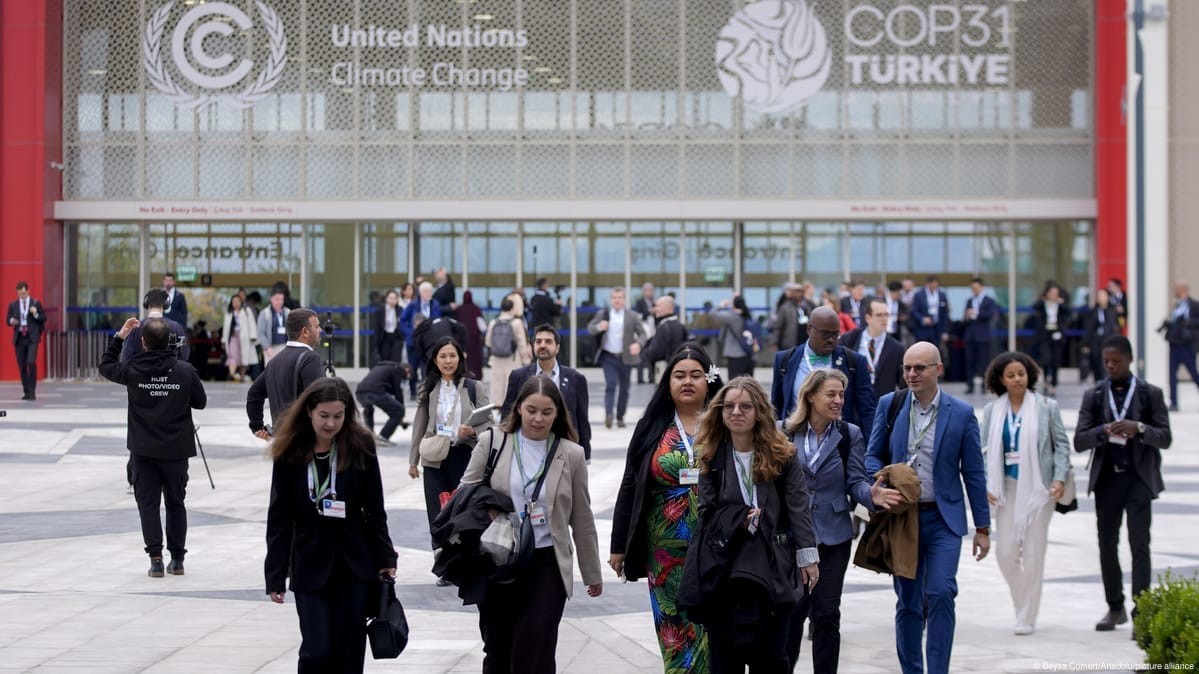
Brazil presented its global roadmap for countries to move away from fossil fuels on the sidelines of this year's UN climate conference in Antalya Image: Beyza Comert/Anadolu/picture alliance