CBC訪問西班牙北非飛地Ceuta,地方副主席Kissy Chandiramani估計約15,000名移民仍在當地,社區及接待設施承受壓力。受訪者談到露宿、就業期待和害怕被遣返的處境,人數屬於地方估計。
援助組織指控部分人遭暴力及強制驅逐,地方官員說檢方正調查相關指控。報道亦記錄居民商業受損與不同安置需求;個人經歷不能代表所有移民,關於執法的指控仍待調查。
來源:CBC News(原文標註:AFP) 原報道。大魚新聞整理原創中文摘要;保留原刊發日期。
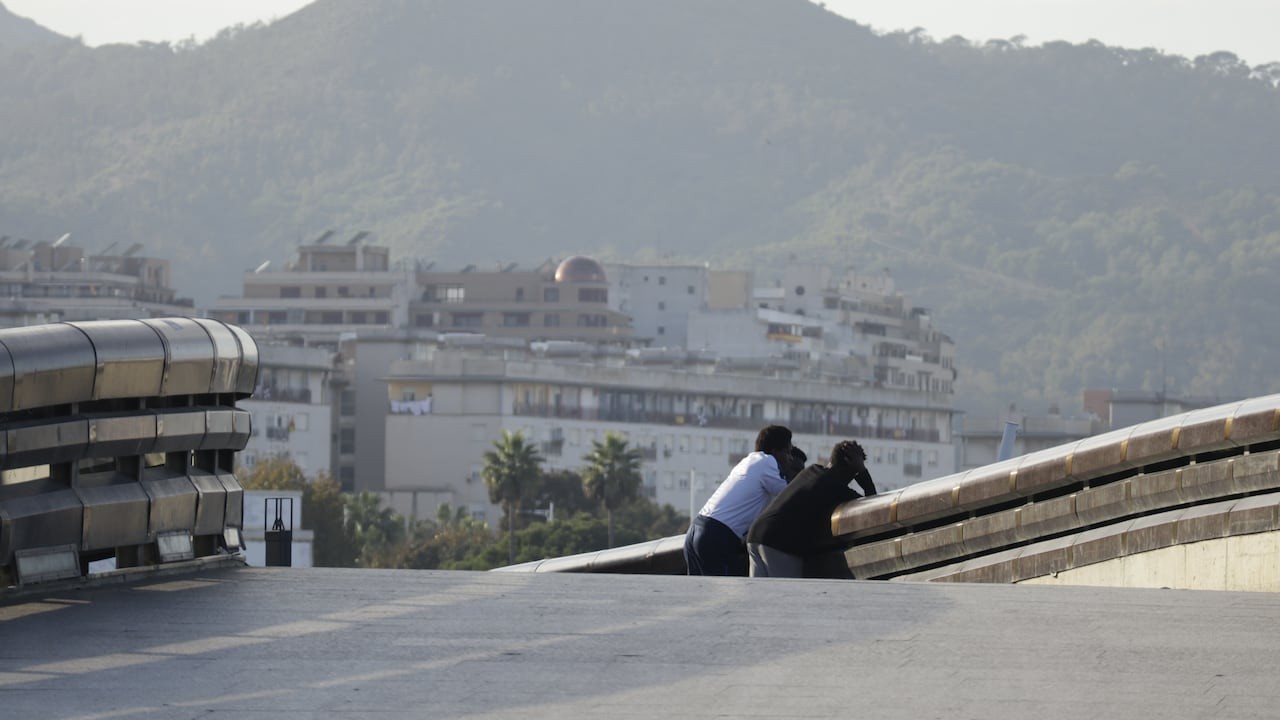
Boys stand in the city centre of Ceuta, a Spanish enclave bordering Morocco. Months after the mass entry of migrants, some 15,000 remain, hoping to make it to mainland Europe. (Renée Boskaljon)
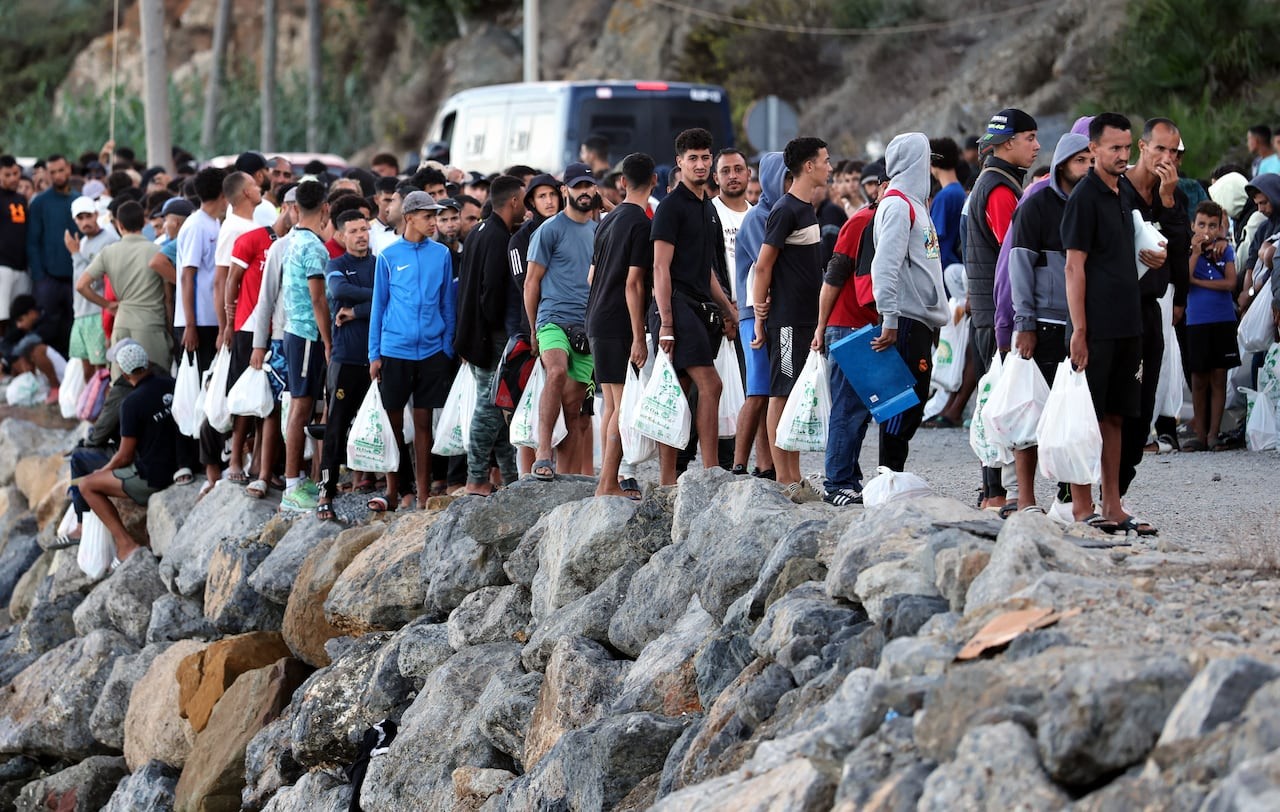
Migrants wait to return to the temporary makeshift camp El Guano near the Trampolin beach in Spain's north African enclave of Ceuta on Oct. 10. (Thomas Coex/AFP/Getty Images)
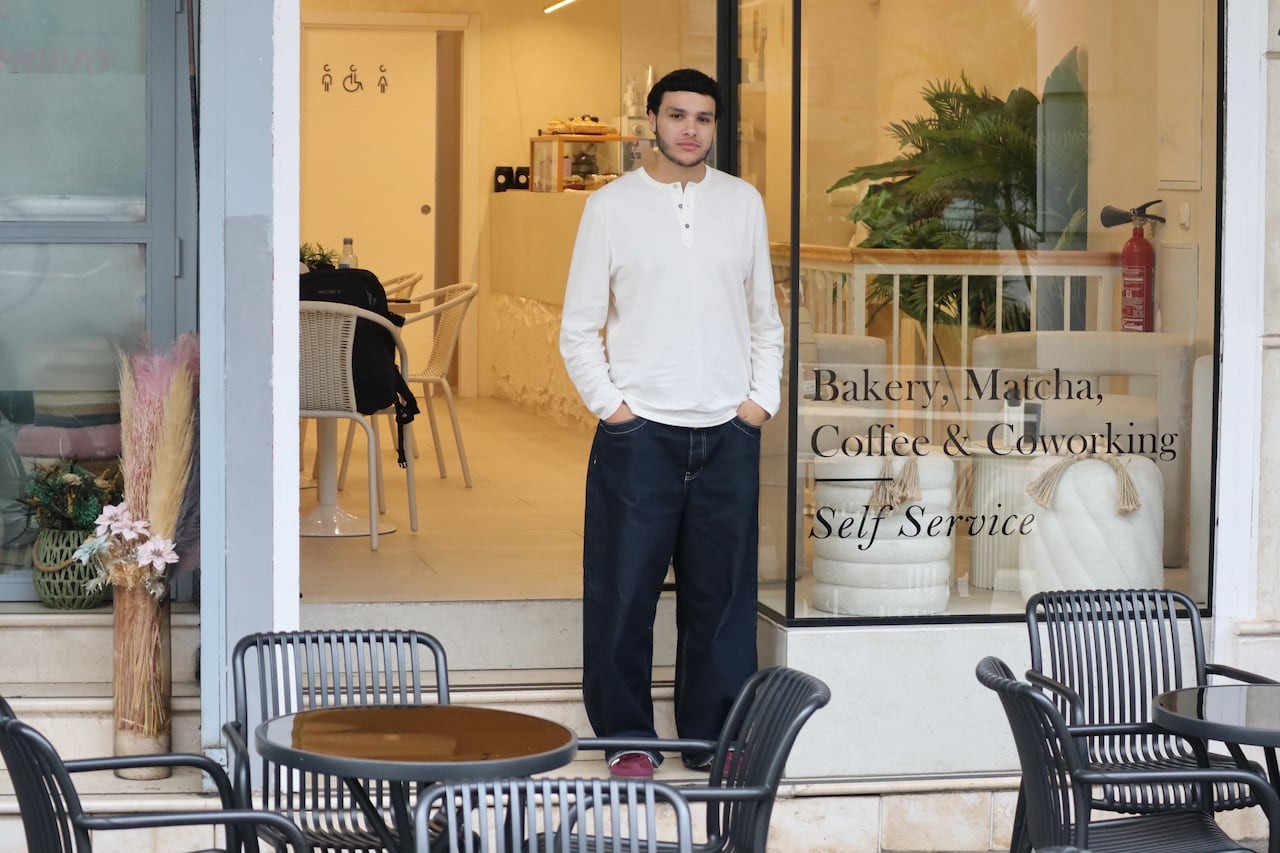
Local resident Mohamed Ali's business is still recovering from the crisis. (Renée Boskaljon/CBC)
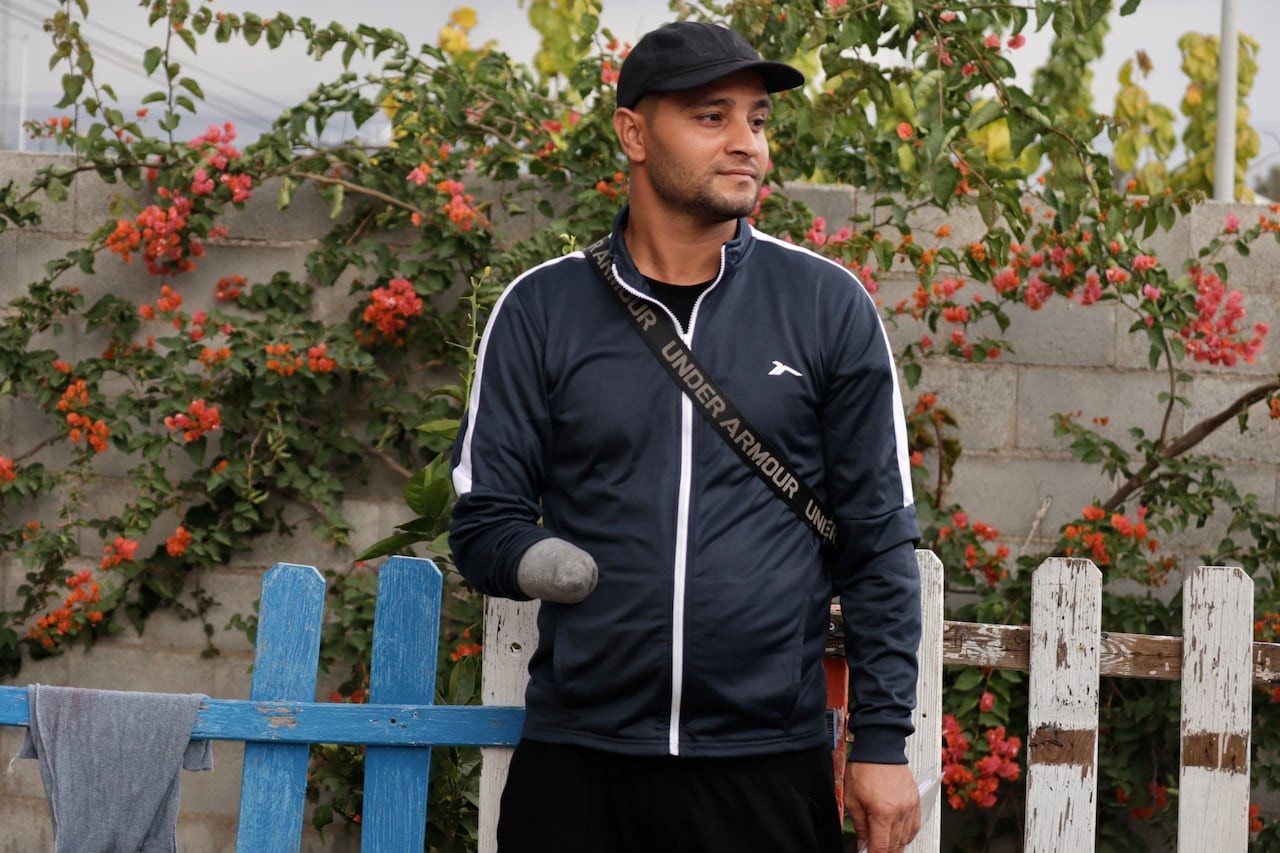
Rachid Gbari, 39, from Morocco, lost his arm as a teenager after being electrocuted by an exposed streetlight cable. (Renée Boskaljon/CBC)

Rayane fled years of violence and persecution in Morocco because of his sexuality. (Renée Boskaljon/CBC)