The Conversation刊載研究者評論,關注阿省七至九年級體育與健康課程草案。草案於2026年6月公佈,擬在2026—27學年自願試教、2027年9月全面實施;文章提出的是作者對潛在風險的分析,不是已證明課程導致學生患病的調查結論。
作者擔心,把體重主要歸於喫得太多、把食物簡單分爲好壞,以及要求學生追蹤飲食和運動目標,可能忽略遺傳、藥物、收入、家庭食物供應與安全運動空間等條件,也可能強化身體不滿或羞恥。
他們主張教學強調不同體型都適用的健康行爲、運動樂趣和身心社交益處,並考慮糧食不安全家庭的實際選擇。對草案中競技訓練和肌肉表現的強調,作者認爲應與一般青少年健康教育區分;這些建議應標明爲研究者觀點。
來源:The Conversation(觀點/分析) 原報道。大魚新聞整理原創中文摘要;保留原刊發日期。
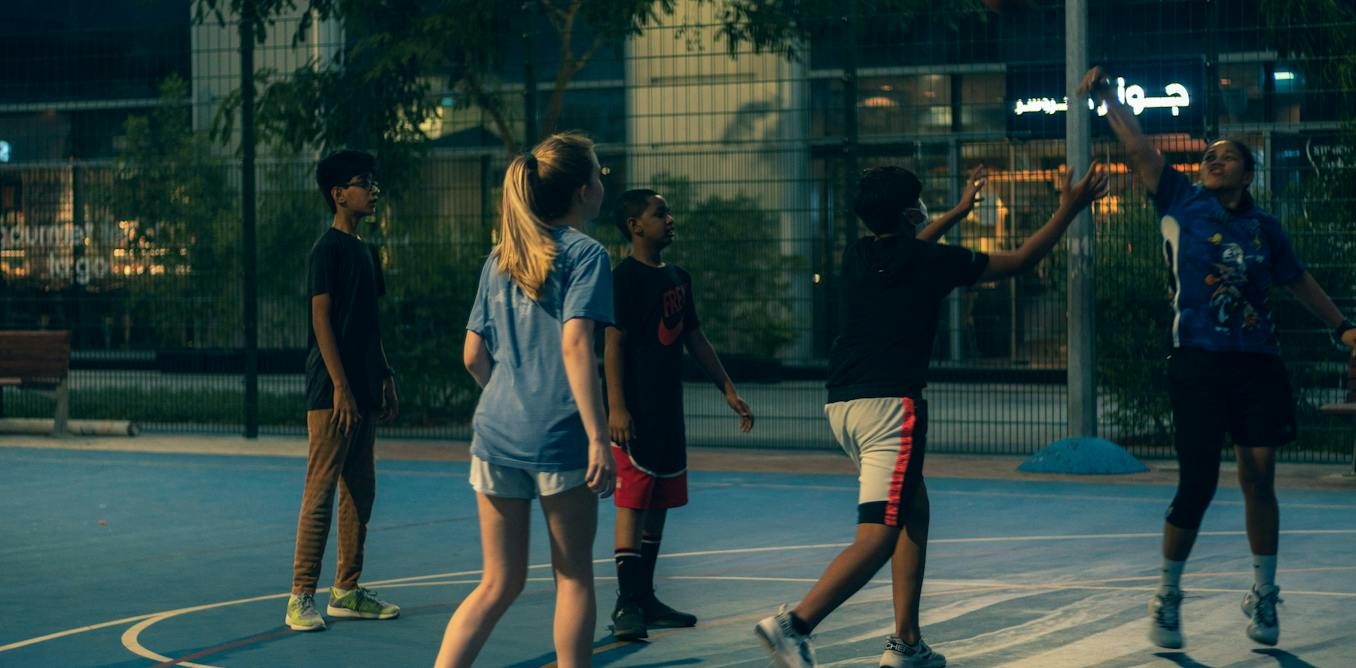
體育活動資料照片,Salah Regouane/Unsplash;原評論配圖,並非阿省課程試教現場。

Teaching young people about nutrition means recognizing that food choices are shaped by more than individual preference, including family circumstances, culture and access to food. (Getty Images/Unsplash+)
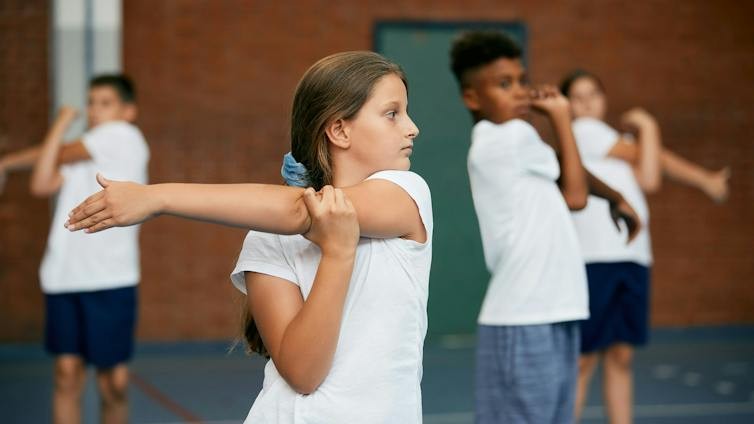
How schools teach young people about fitness and health can shape their attitudes toward food, exercise and their bodies. (Getty Images/Unsplash+)