University of Waterloo臨牀心理學碩博連讀二年級學生Imogen Sloss與同事分析了200條有關自閉症的TikTok影片,從中歸納約1,200項建議,以編碼方式分類評估。CBC於11月28日報道,結果顯示沒有一條影片引用具體研究或論文,也無法確定所有創作者都經過正式診斷。
Sloss指,幾乎所有影片都過度概括,沒有提供足夠資訊讓觀衆判斷內容是否適用於自身情況;不少影片以“固定心態”表述,暗示自閉症人士或兒童難以學習新技能或建立關係,她擔心照顧者因此氣餒並低估孩子的能力。團隊下一步計劃向公衆發佈結果。
Wilfrid Laurier University研究員、自閉症少年家長Janet McLaughlin認爲,家長在社交媒體尋求共鳴很自然,但創作者多非醫療專業人士,建議可向Autism Ontario查證;大多倫多服務機構Surrey Place行政總裁Terri Hewitt亦提醒家長覈實資訊來源。
來源:CBC News 原報道。大魚新聞整理原創中文摘要;保留原刊發日期。
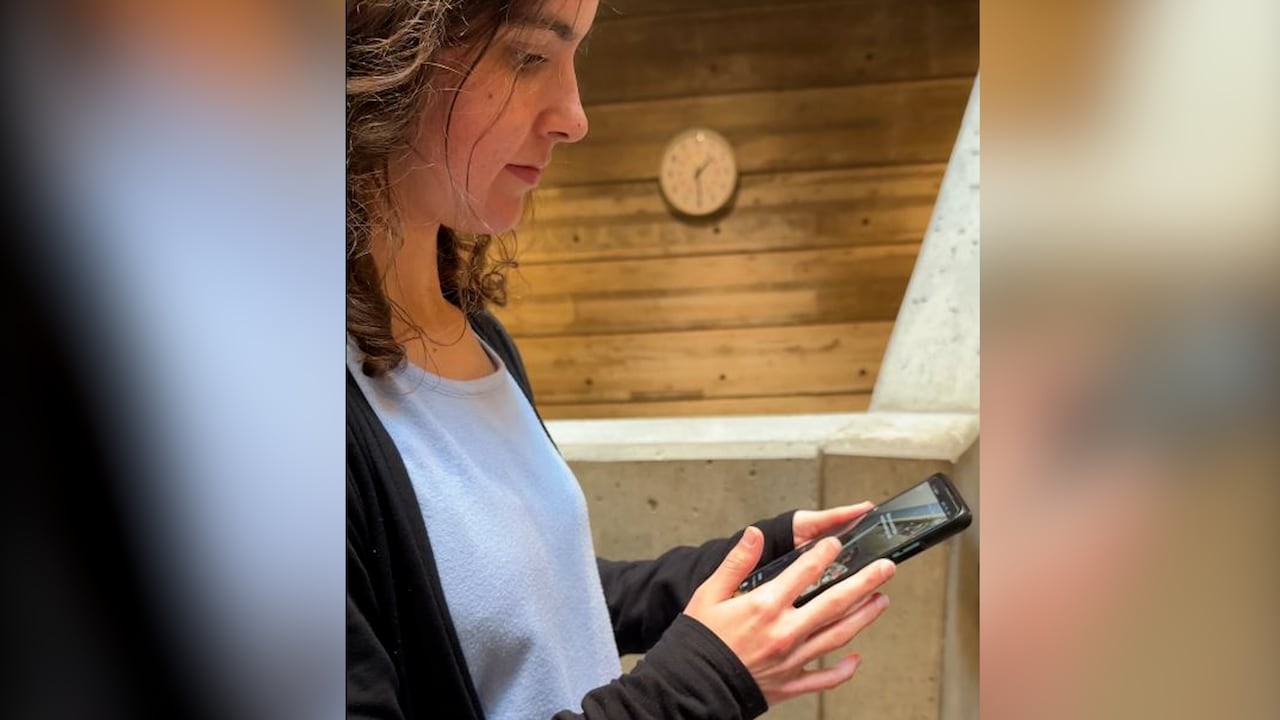
Imogen Sloss is a second-year student in the masters-PHD program in clinical psychology at the University of Waterloo. S … essaging and quality of the information being shared to help families make more informed decisions. (Carmen Groleau/CBC)
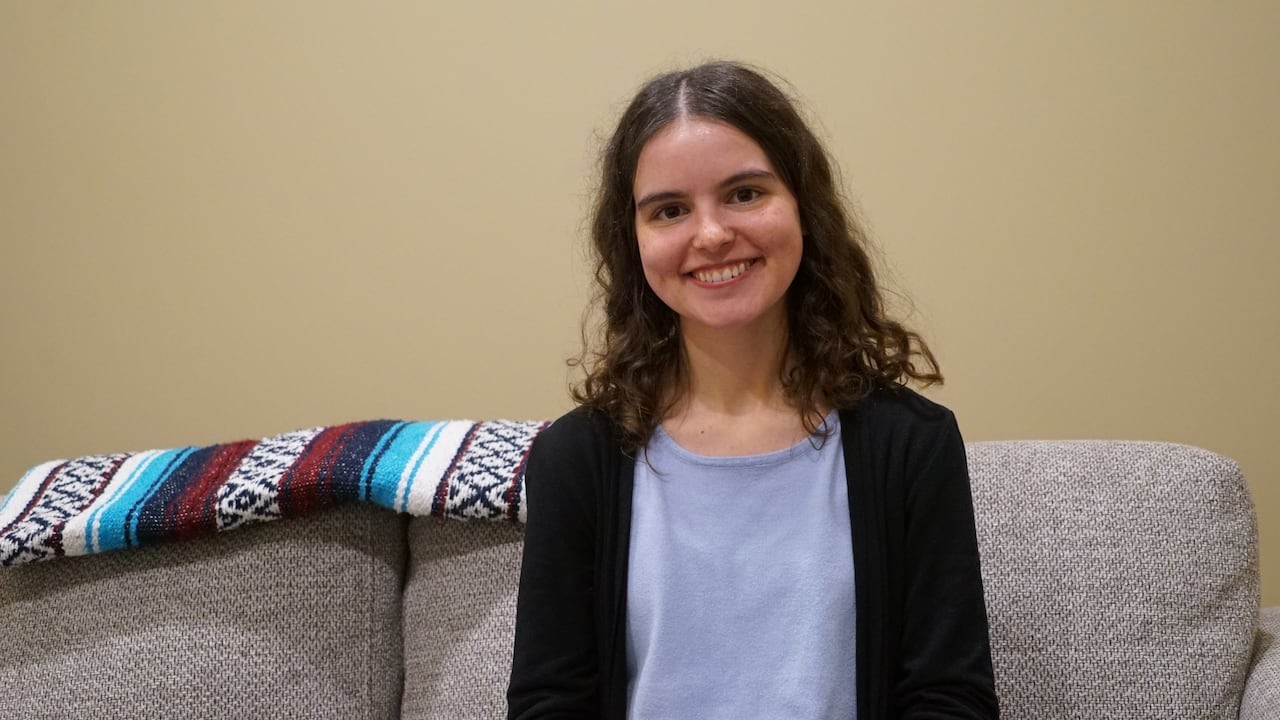
Imogen Sloss is a second-year student in the masters-PHD program in clinical psychology at the University of Waterloo. (Carmen Groleau/CBC)
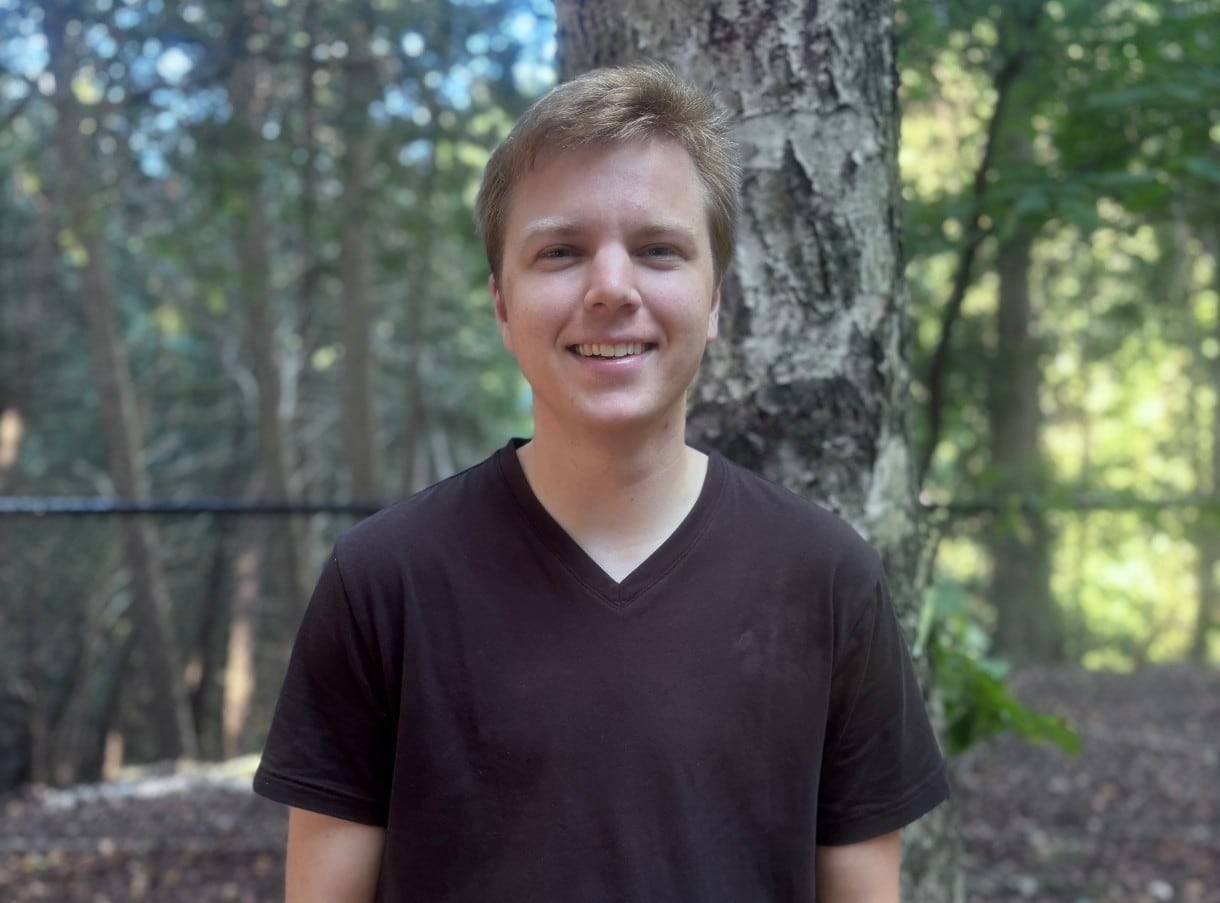
Sam Brandsen is from Cambridge. He has autism and is a father of a son with autism. He says it's important parents know when to step away from social media and to take information on platforms as suggestions. (Sam Brandsen)