CBC於11月28日報道,魁北克北部Nunavik地區Kuujjuaq的Ungava Tulattavik Health Centre產科病房,正由因紐特助產士爲孕婦提供產前、分娩及產後照護,讓她們不必飛往南方、在陌生的語言和文化環境中分娩。助產士Margaret Tukkiapik曾是自學的陪產員,在Puvirnituq的Inuulitsivik Health Centre助產課程受訓五年後,本月通過考試,至今已協助95次分娩;該課程今年踏入第40年。按因紐特傳統,剪臍帶是一種榮譽,她每剪一次便在手指上紋一個圓點。
實習助產士Kayla Annanack-Lauzon今年5月開始受訓,第一胎主要在Montreal產檢和分娩,第二胎預計12月在自己工作的病房生產,她形容能用母語獲得照護“差別如日夜”。不過當地沒有持續胎心監測、硬膜外麻醉或催產,緊急情況由院內醫生接手,有醫療需要時仍須轉送外地。
根據Nunavik衛生及社會服務局2021年報告,當地生育率40多年來接近魁省平均的兩倍。中心執行總監Larry Watt表示,產科只有兩間產房,每年平均約100宗分娩,空間非常有限,計劃在未來幾年興建更大設施;Tukkiapik則希望Ungava沿岸其他六個社區也能各有助產服務。
來源:CBC News 原報道。大魚新聞整理原創中文摘要;保留原刊發日期。
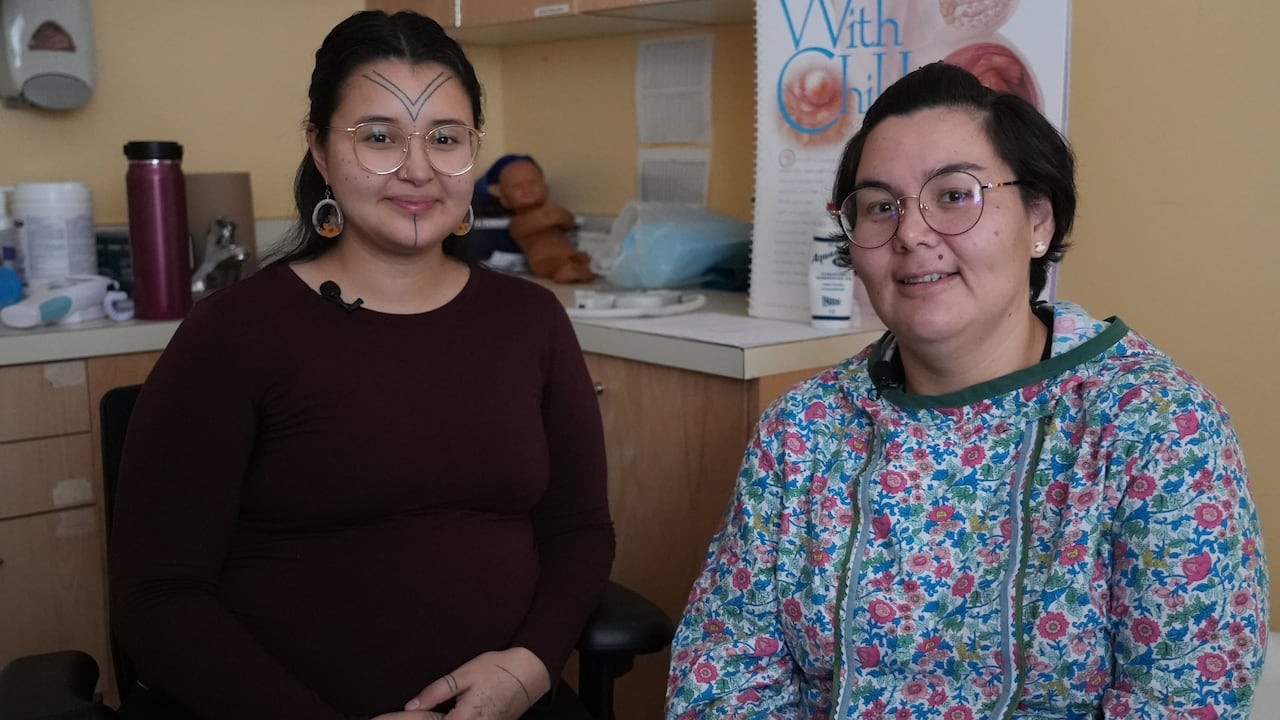
Midwife trainee Kayla Annanack-Lauzon, left, and Margaret Tukkiapik, right, study through the Puvirnituq Inuulitsivik He … natal care for Inuit who would otherwise travel outside of their region, culture and language. (Josianne Letourneau/CBC)
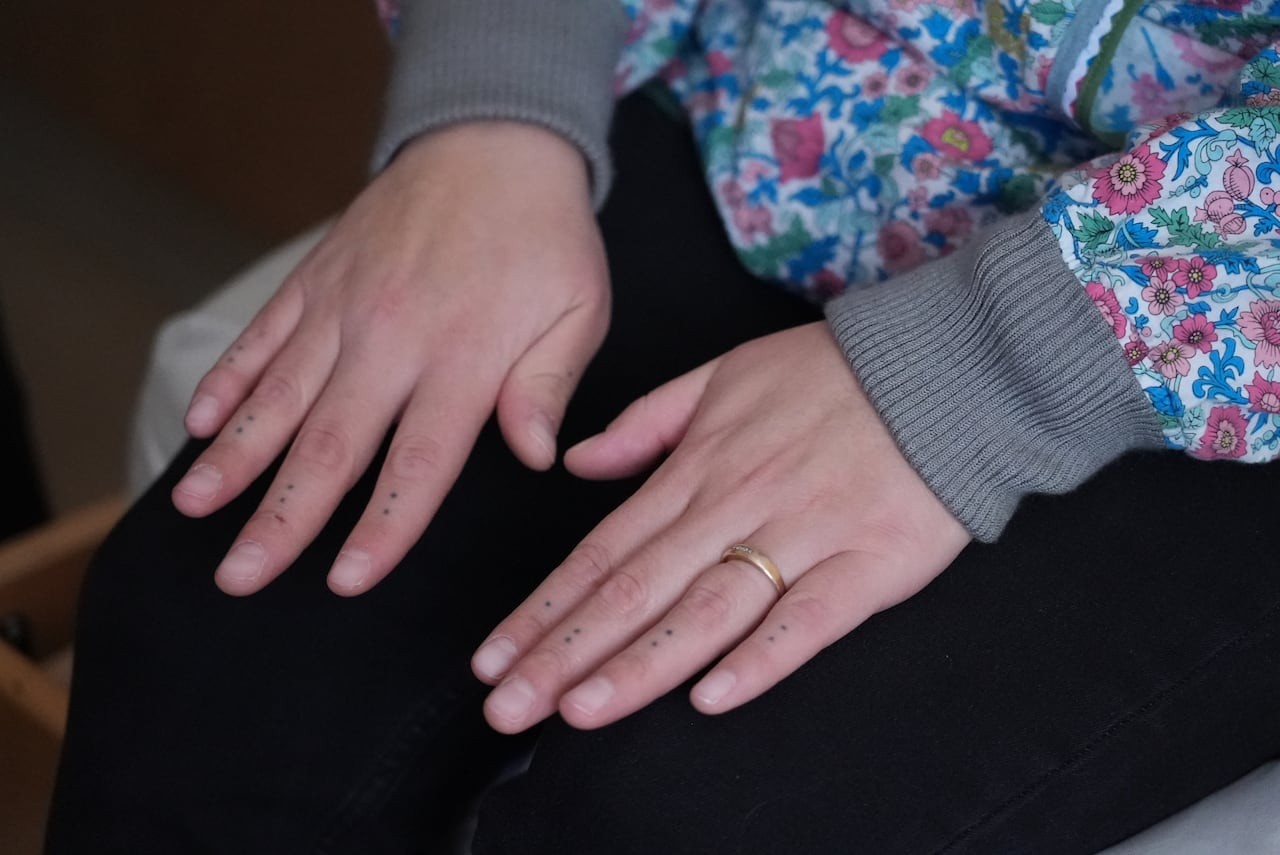
Margaret Tukkiapik was a self-taught doula before starting to study as a midwife five years ago. She gets a marking on her fingers every time she cuts a baby's umbilical cord. (Josianne Letourneau/CBC)
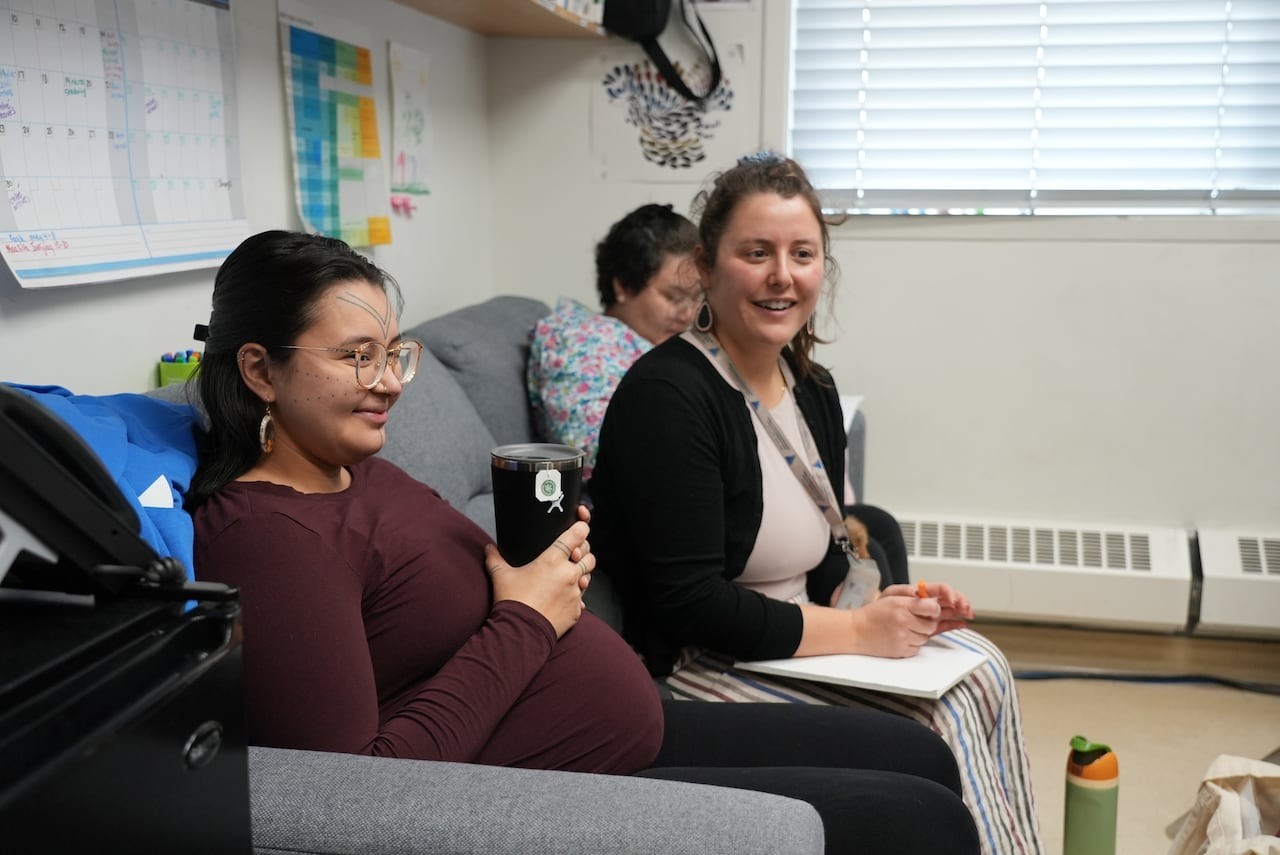
Kayla Annanack-Lauzon, left, will deliver her second child in December, in the same maternity ward where she currently works as a midwife. (Josianne Letourneau/CBC)
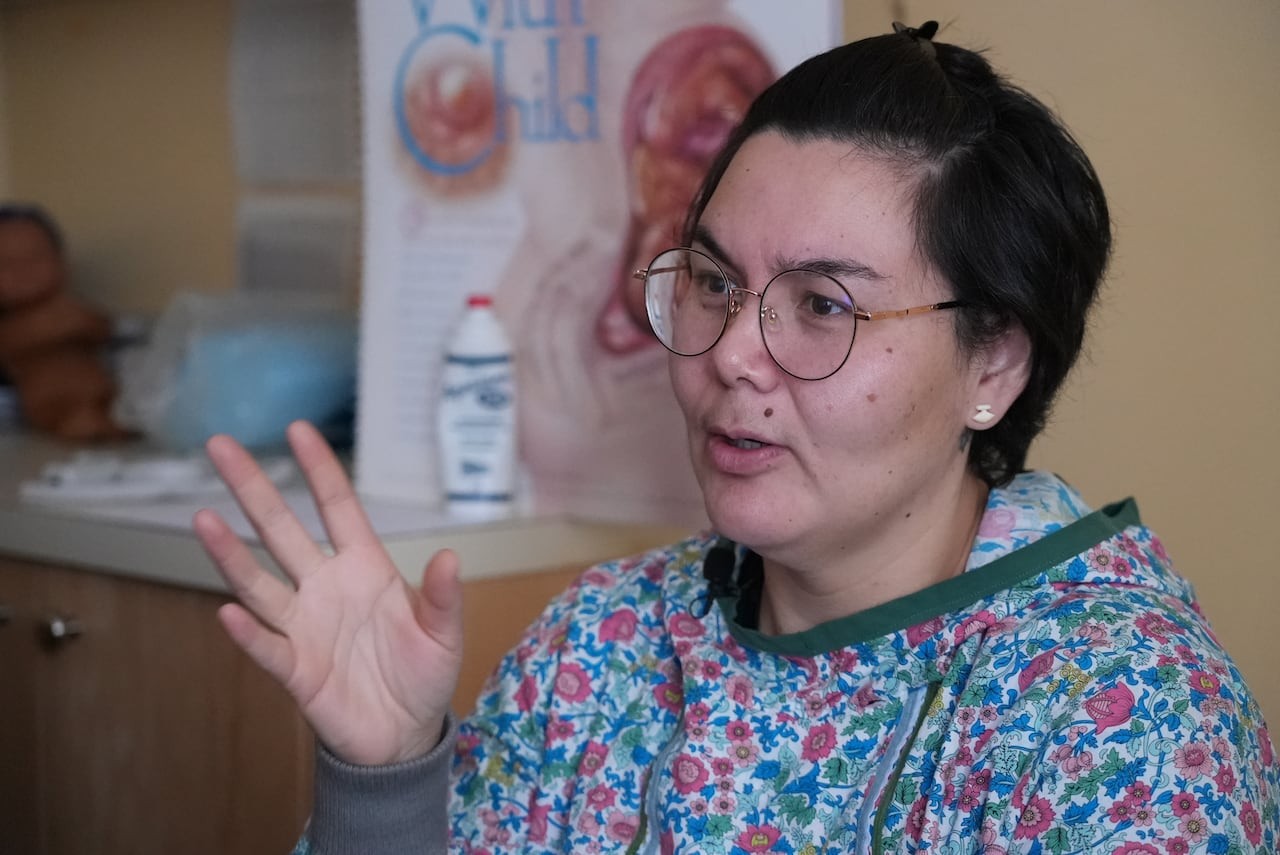
Margaret Tukkiapik hopes each of the six other communities on the Ungava coast can have their own midwifery services. (Josianne Letourneau/CBC)
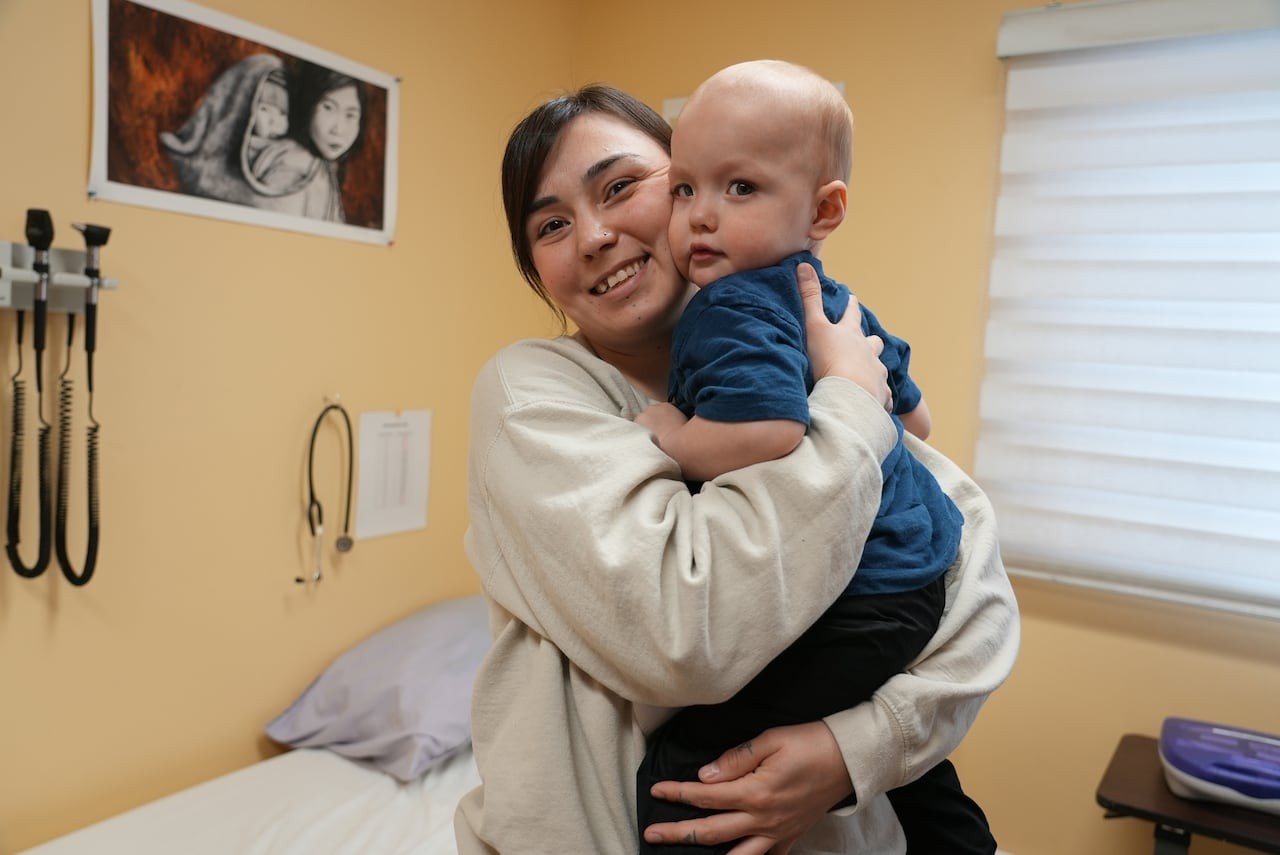
Elena Mesher delivered her son, Vincent, at home with the help of the midwives working in Kuujjuaq. (Josianne Letourneau/CBC)
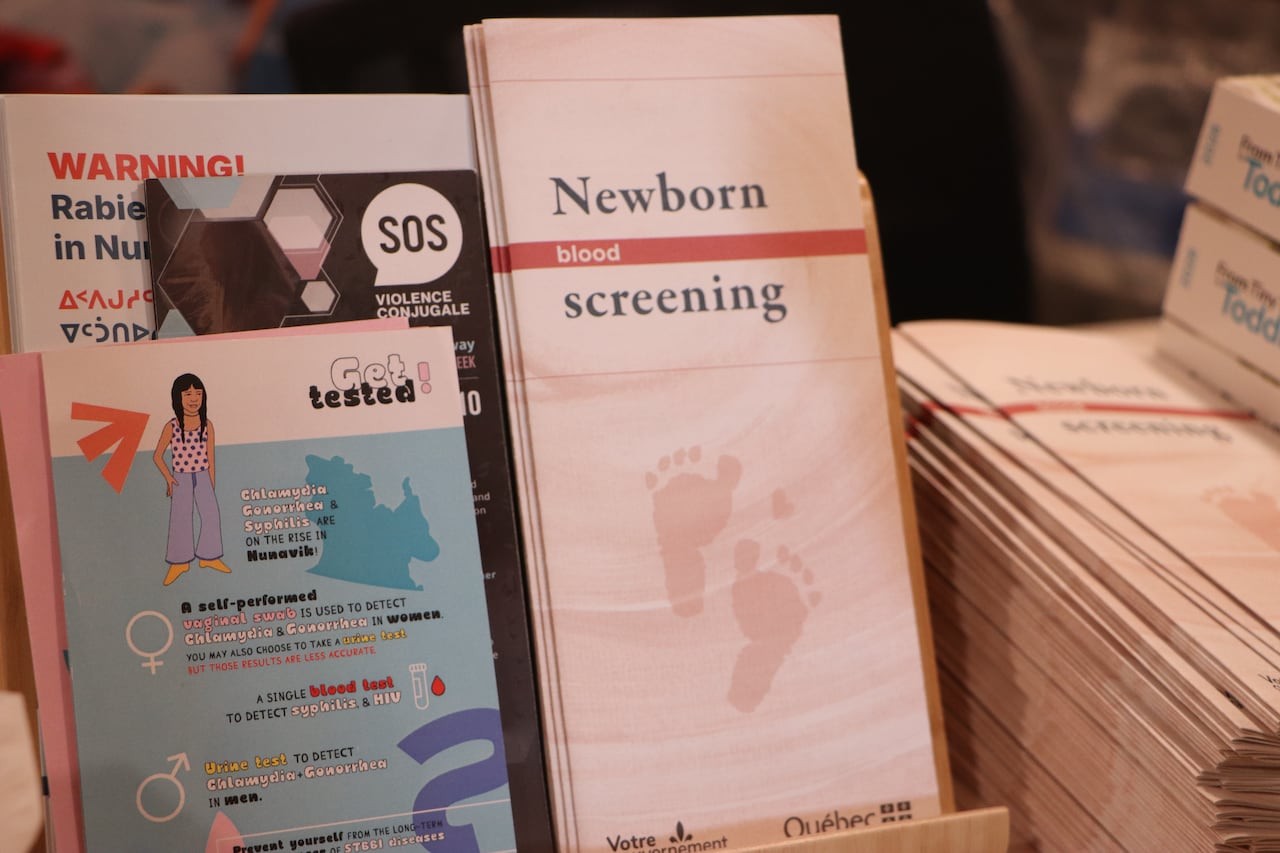
Piles of pamphlets are available at the maternity clinic, which is connected to Kuujjuaq's hospital centre. (Rachel Watts/CBC)
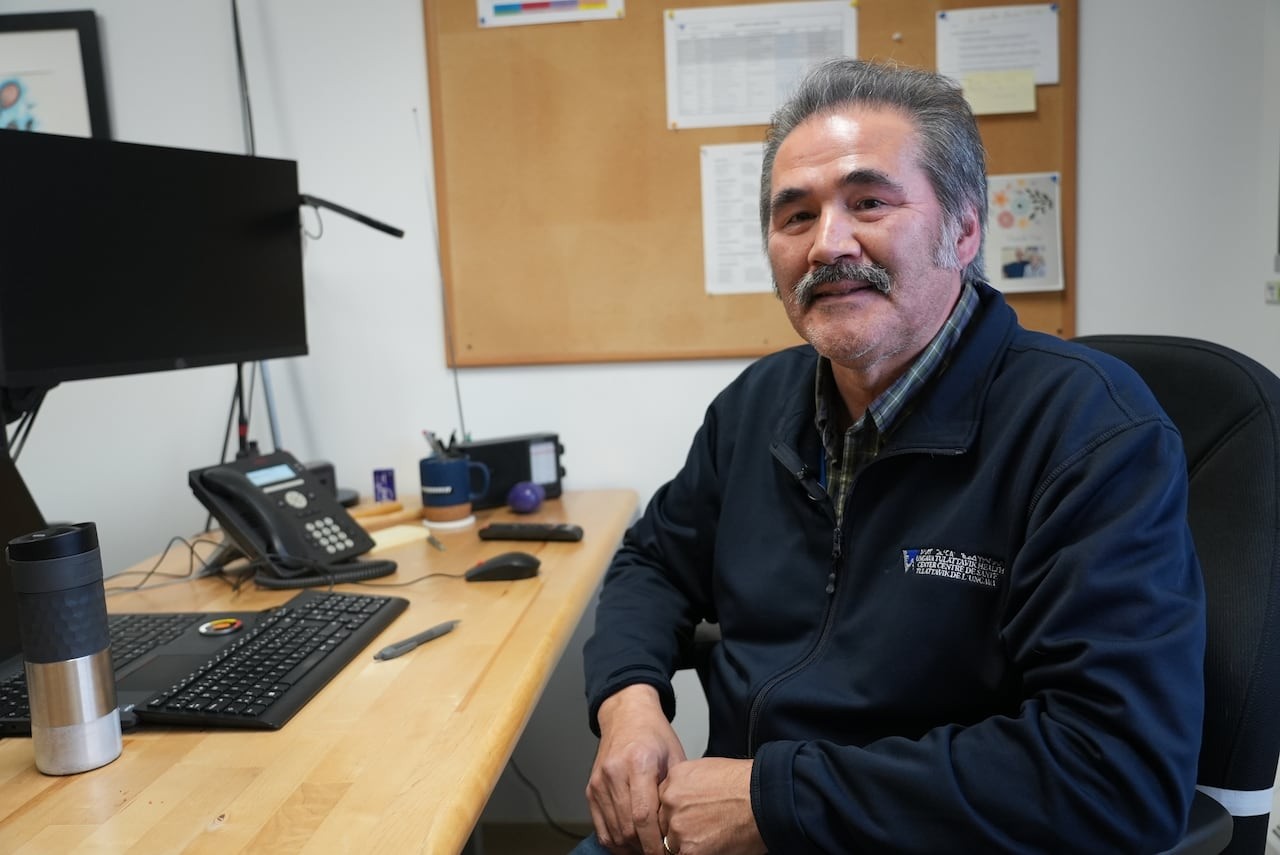
Larry Watt, the executive director of the Ungava Tulattavik Health Centre, says there are plans to expand the midwifery building. (Josianne Letourneau/CBC)