CBC於11月28日刊出分析文章,指北約將領對俄羅斯威脅的警告日益尖銳,但加拿大國防部門同時面對預算緊縮。北約歐洲盟軍副最高司令、英國空軍上將John Stringer接受CBC專訪時稱俄羅斯已是“戰爭經濟”,無人機、彈藥及彈道導彈產量遠超2022年前,也超過北約大部分產出;他認爲俄方與北約直接衝突的可能性仍屬低端,但已上升。前北約軍事委員會主席、荷蘭退役海軍上將Rob Bauer則說,俄方生產的武器多於烏克蘭戰場所需,並警告加拿大“距離已不再能保護你”。
文章指出,聯邦預算規劃到2035年把國防開支提高至GDP的5%,但近期撥款沒那麼顯著:國防部正在營運及支援預算中尋找數以億元計的節省,多地少年軍訓週末訓練及比賽暫停至本財年結束,陸軍儲備部隊重組預計削減數百個全職儲備職位。衆議院國防委員會正審議C-40法案,把國防投資署改爲擁有獨家採購及投資本土軍工企業權力的皇家公司。Carleton University學者Steve Saideman認爲五角大樓批評加國戰備“沒有說錯”。
作者以一戰時的Ross步槍等事例提醒,產業政策與軍隊實際需要可能衝突,並指未來幾年會有大量新武器、工廠及就業公告,但更難判斷的是兩三年後加軍作戰能力會否真正提升。以上爲CBC記者的分析觀點。
來源:CBC News 原報道。大魚新聞整理原創中文摘要;保留原刊發日期。
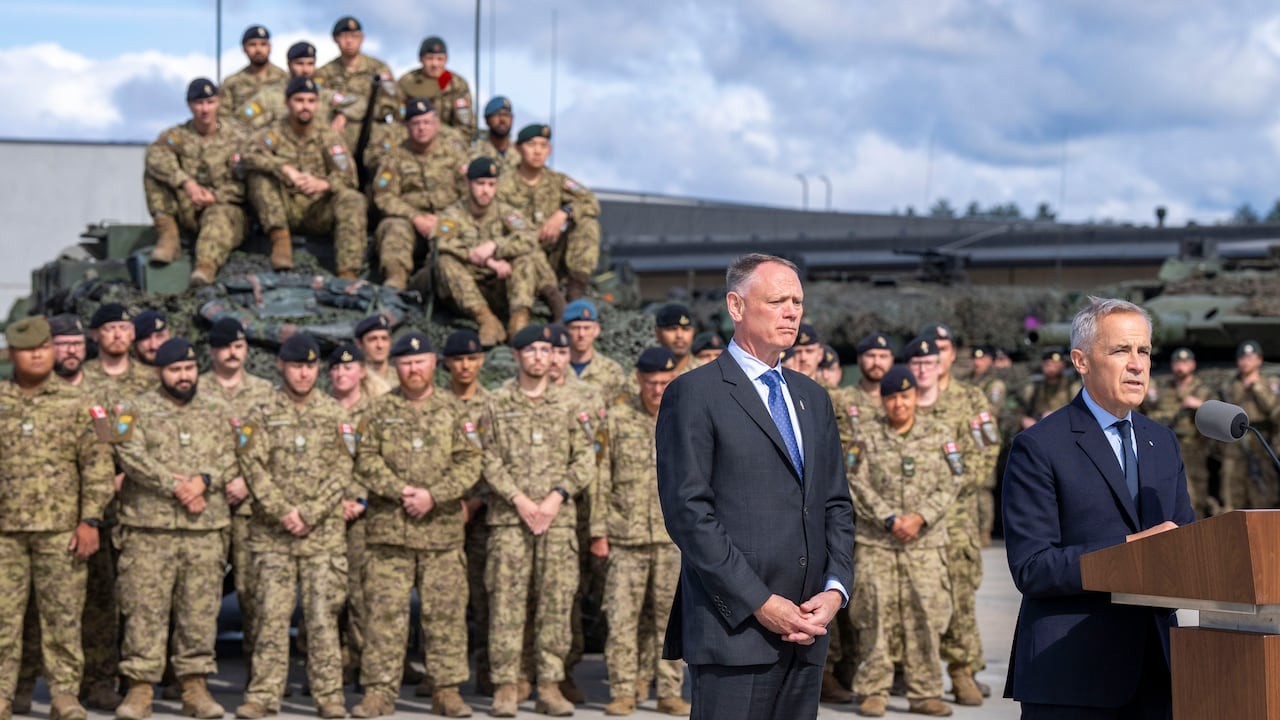
Prime Minister Mark Carney, flanked by Minster of National Defence David McGuinty, addresses the troops at the Adazi military base last year in Latvia, where Canada leads a multinational NATO brigade. (Christinne Muschi/The Canadian Press)
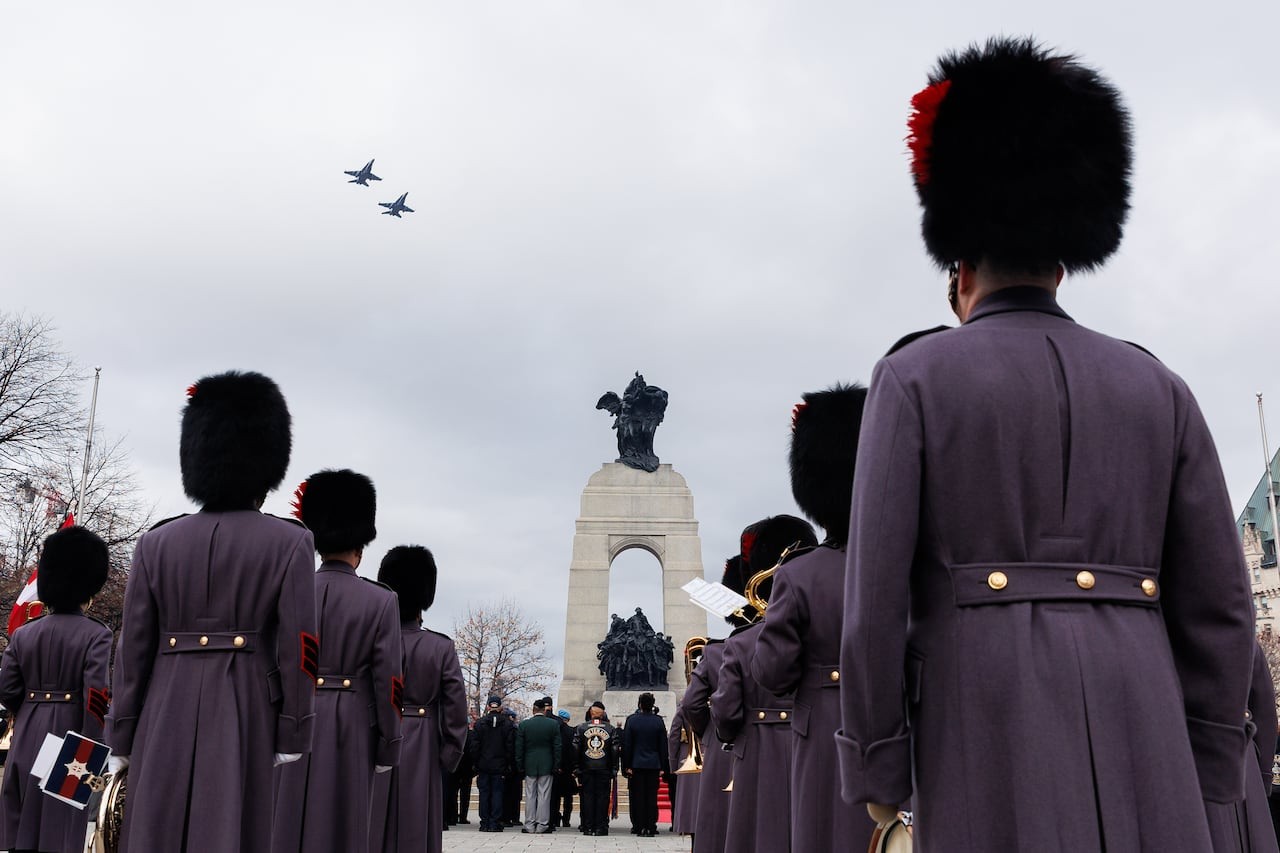
The collision between industrial policy, nationalism and military necessity is not a new phenomenon. (Keito Newman/The Canadian Press)