CBC報道,原住民主導的考古公司Mokomàn Edge Consultants今年10月用五天時間,在魁北克Gatineau東北面的Papineau-Labelle野生動物保護區沿昔日搬運路線調查,找到六處遺址,出土石片、骨頭碎片及一件切割工具等文物。
參與項目的考古學家Adrien Cesario表示,其中一件以燧石(chert)製成的工具顯示遺址大概早於與歐洲殖民者接觸的時期,因爲當地原住民在接觸後才改用金屬刀具。他初步估計文物有500至8,000年曆史,確切年代仍須以放射性碳測年確認。文物目前屬擁有該土地的魁省政府,公司負責人、前Kitigan Zibi Anishinābeg第一民族議員Doug Odjick正與省府商討將其交還社區作教育用途。
這次調查由公民團體Marie-Lefranc-Petite-Nation Coalition委託,該團體希望省府把保護區內一片逾100平方公里的區域列爲永久保護區。魁省2022年承諾到2030年保護全省30%土地,徵集到逾400個提案;該提案目前處於地區諮詢階段,地方團體預計須在2026年秋季結束前提交建議,能否獲批仍未確定。
來源:CBC News 原報道。大魚新聞整理原創中文摘要;保留原刊發日期。
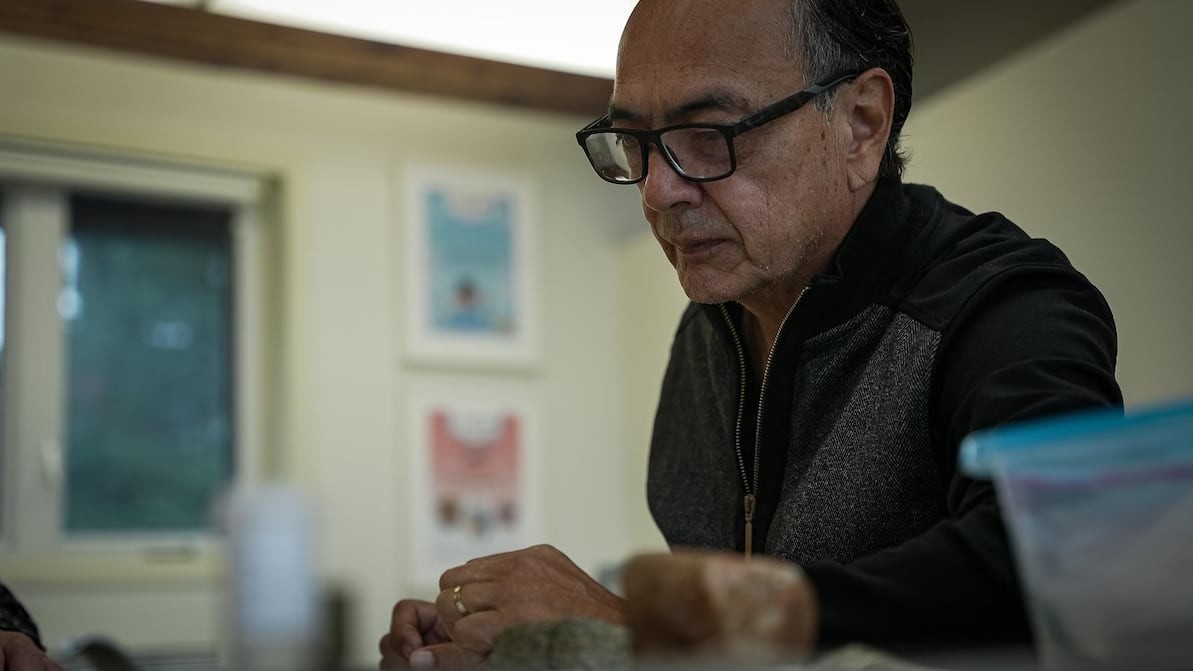
Doug Odjick, the owner of Mokomàn Edge Consultants and a former band councillor with the Kitigan Zibi Anishinābeg First … o return the artifacts discovered in the Papineau-Labelle Wildlife Reserve to his community. (Nick Persaud/Radio-Canada)
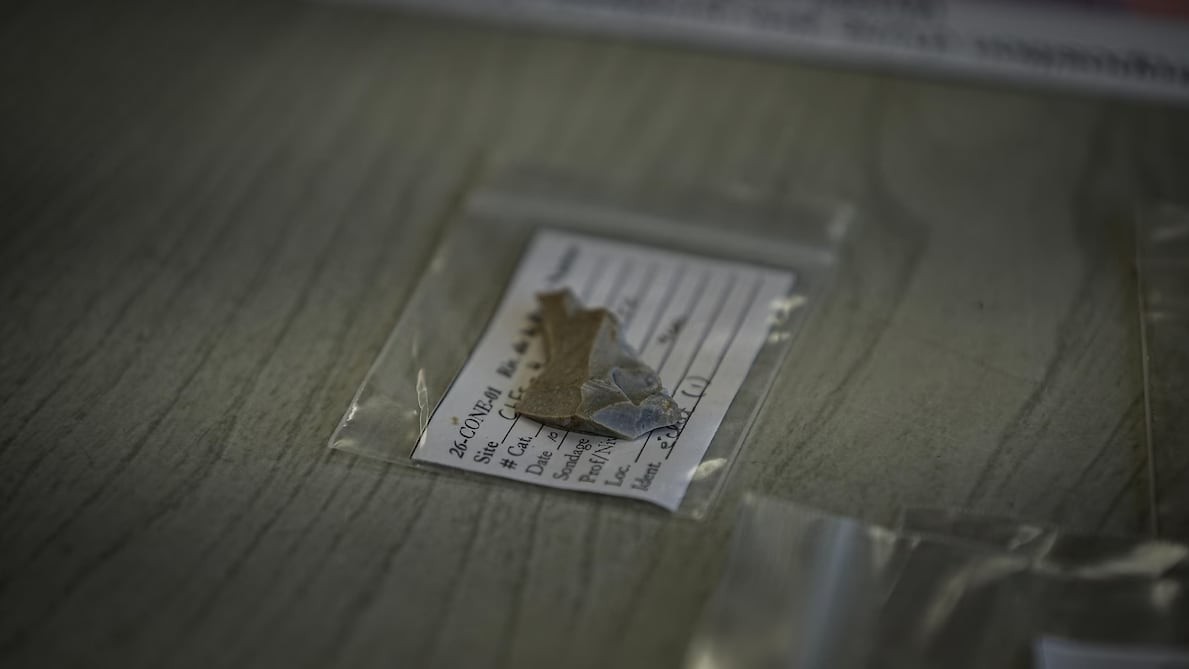
This is a retouched chert flake with a sharp edge, according to archaeologist Adrien Cesario. (Nick Persaud/Radio-Canada)

Archaeological work like the type that was carried out in October fosters 'an argument to protect these lands,' says Cesario. (Nick Persaud/Radio-Canada)
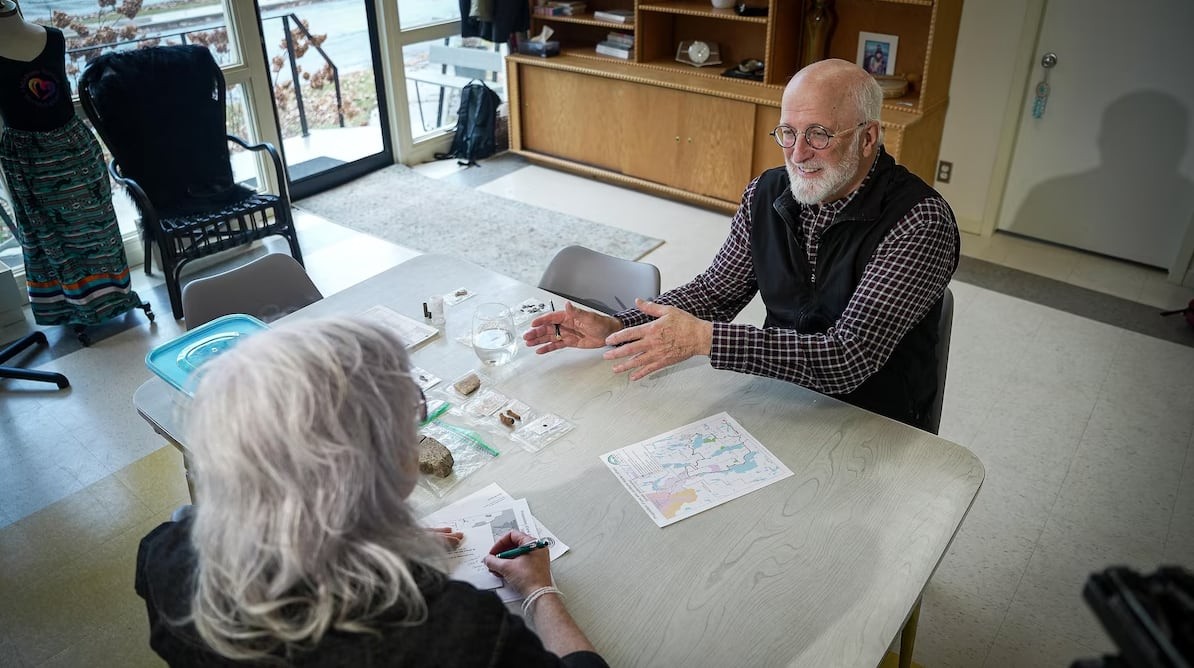
Louis St-Hilaire, right, is a spokesperson for the Marie-Lefranc–Petite-Nation coalition. It was his idea to bring Indigenous-led archaeologists to study the part of the region they want to protect. (Nick Persaud/Radio-Canada)
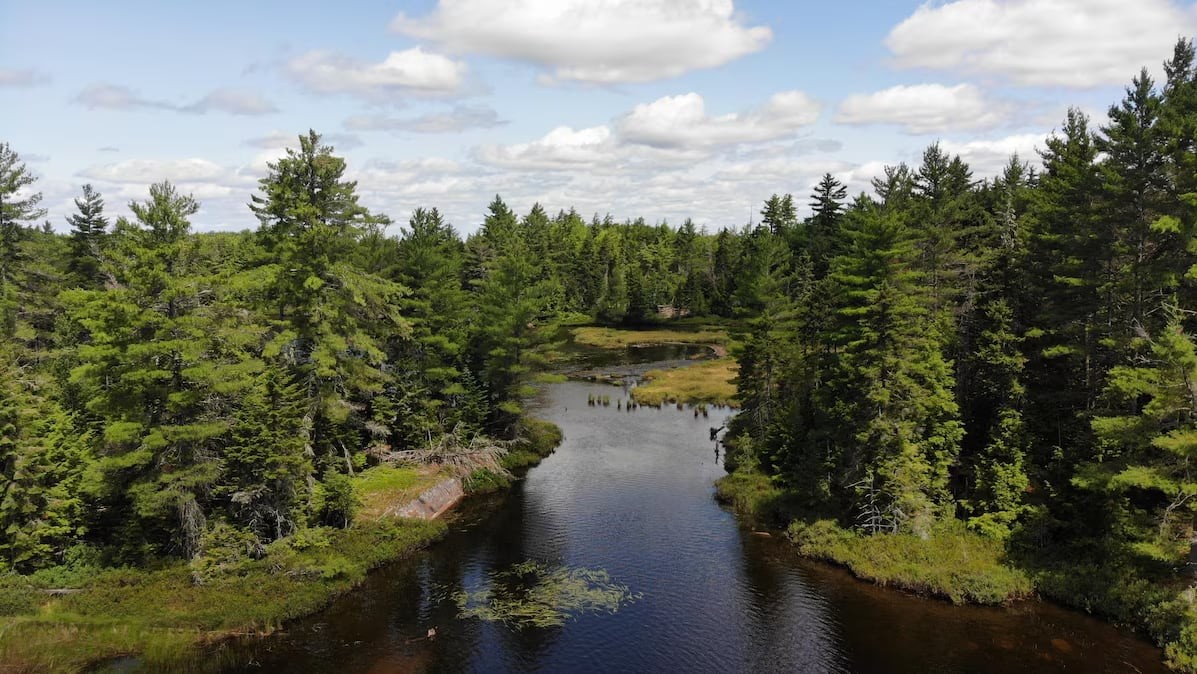
The Marie-Lefranc-Petite-Nation coalition wants the Quebec government to make part of the Papineau-Labelle Wildlife Reserve a permanent protected area. (Submitted by Pierre Martel)