衛報分析指出,歐洲多個大國未來一年相繼選舉,民族主義及疑歐政黨的表現可能影響歐盟預算、對烏援助、擴員與共同政策協調。報道所討論的是可能情境,不是已經發生的選舉結果。
受訪分析人士認爲,一些政黨即使不主張退出歐盟,也可能尋求削弱共同規則或擴大國家權限。多個成員國同時轉向,可能形成更強的阻擋力量。
文章同時指出,成員國政治情況各異,部分極右翼政黨此前亦曾失利,公衆支持歐盟與支持疑歐政黨可以同時存在。不能據此斷言歐盟必然解體或所有選舉都會朝同一方向發展。
來源:the Guardian 原報道。大魚新聞整理原創中文摘要;保留原刊發日期。
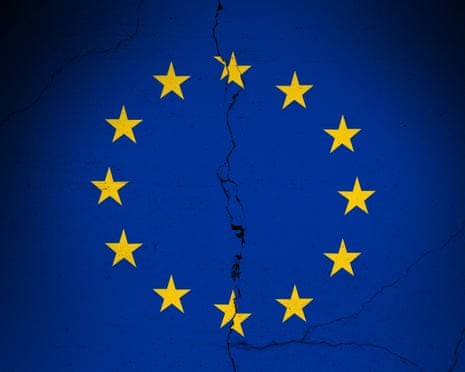
Is the post-war European consensus that built the EU about to be unpicked? Illustration: Guardian Design View image in fullscreen Is the post-war European consensus that built the EU about to be unpicked? Illustration: Guardian Design
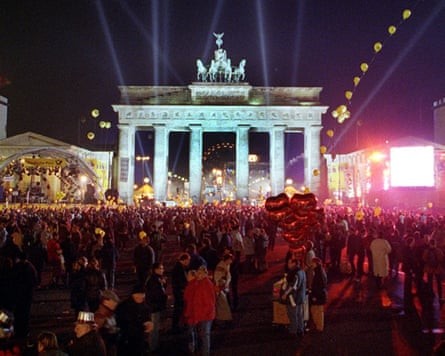
View image in fullscreen Celebrations at the Brandenburg Gate in Berlin on 31 December 1999 to welcome the new millennium. Photograph: Peer Grimm/EPA
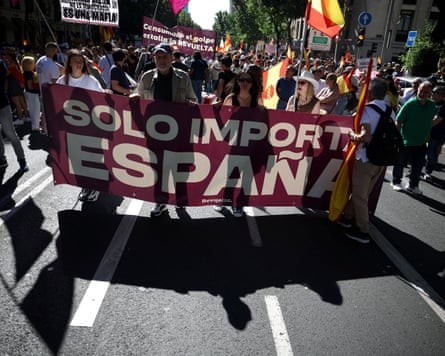
View image in fullscreen A rally organised by Spain’s far-right Vox party in Madrid last May – the banner reads ‘Only Spain matters’. Photograph: Kacper Pempel/Reuters
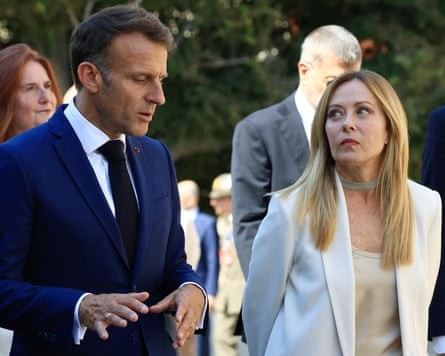
View image in fullscreen Giorgia Meloni and Emmanuel Macron in Antibes, southern France. Photograph: Manon Cruz/Pool Reuters/AP