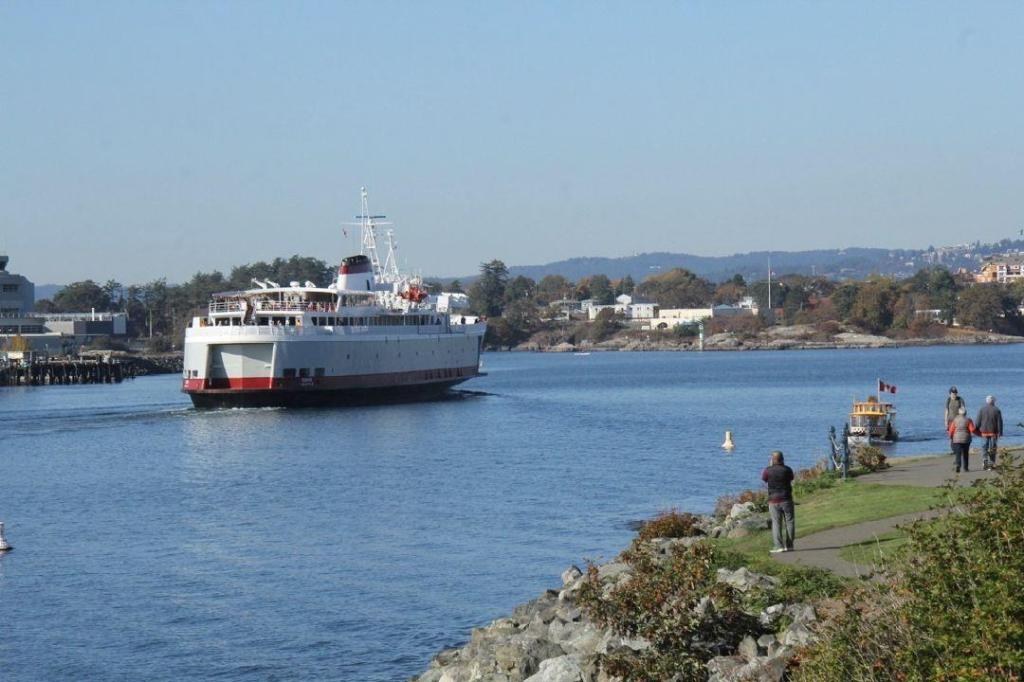
連鎖風險比單一災害更難應對
作者以2026–27厄爾尼諾風險討論醫療和能源的相互依賴:煙霾增加呼吸系統急診,洪水阻斷交通及藥品供應,而酷熱推動製冷需求、削弱部分發電設備效率。它描繪的是多重事件疊加的風險情景,不是預言加拿大各城市必定同時停電或醫院癱瘓。
爲何要把社區納入準備
文章列舉2023年安省哮喘相關急診增加23.6%、西北地區約2萬人撤離,以及卑詩2021年熱穹頂逾619人死亡等研究和歷史數據,說明低收入、住房不足及需依賴電力醫療設備者可能更脆弱。作者建議聯動備用電源、跨區輸電、儲能、可靠供電的納涼中心與關鍵藥品供應。氣候預報有不確定性,準備重點是降低共同弱點,而非把某個概率當作具體日期災害預告。
來源:The Conversation Canada(學者分析) 原報道。大魚新聞整理原創中文摘要;保留原網頁刊發日期。
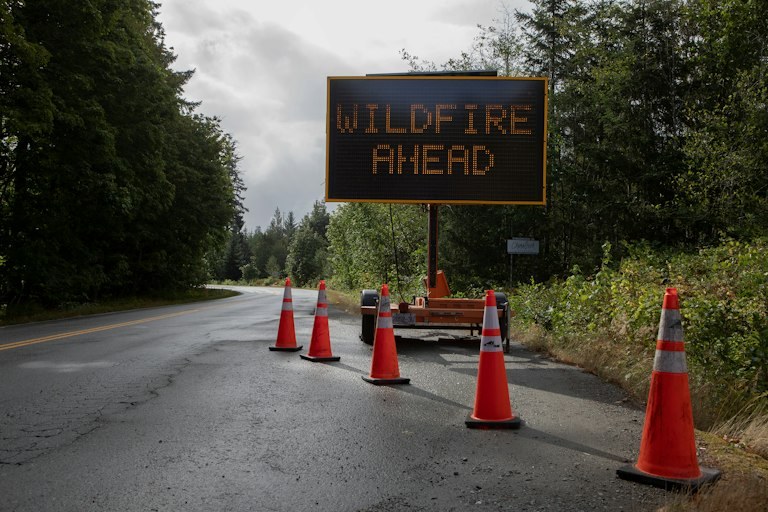
Roadside signage warning of the Mount Underwood wildfire south of Port Alberni, B.C. in August 2025. THE CANADIAN PRESS/Chad Hipolito
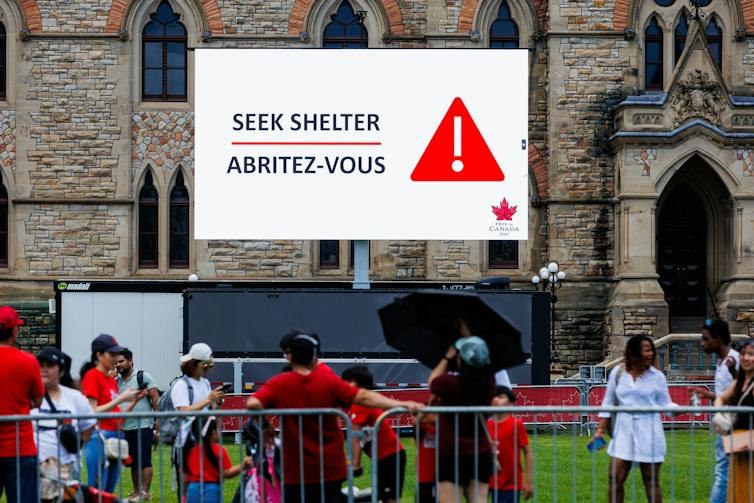
A seek shelter warning is seen on Parliament Hill during Canada Day festivities in Ottawa, on July 1, 2026, during a major storm. THE CANADIAN PRESS/Keito Newman
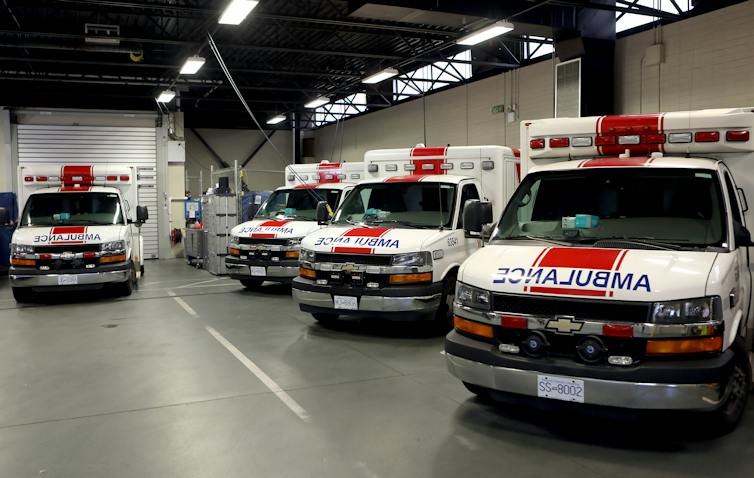
A strong El Niño can put the entire energy system under strain, just when the health system is most vulnerable. THE CANADIAN PRESS/Chad Hipolito