阿爾伯塔大學跨學科團隊在《The Conversation》解釋,含semaglutide的GLP-1藥物對個體影響並不相同,遺傳、年齡、身體組成、生活方式及其他疾病等因素都可能有關。文章引述一項配合生活方式干預、持續68周的研究平均減重約15%,但平均數不代表每個人都會達到。
團隊關注“代謝適應”:減重後身體較小本來需要較少能量,有時耗能還會低於按體重變化預計的程度。其綜述發現,關於semaglutide與靜息耗能的少量研究結果中性或不明確,不能據此宣稱藥物必然降低或提高代謝。
研究人員計劃利用整室間接測熱設施,跟蹤即將開始治療且有血糖調節問題的參與者六個月,觀察體重、身體組成及能量使用。文章屬於研究進展解讀,尚未提供能預測個人療效的成熟工具,也不能代替處方評估。
來源:The Conversation(觀點/分析) 原報道。大魚新聞整理原創中文摘要;保留原刊發日期。
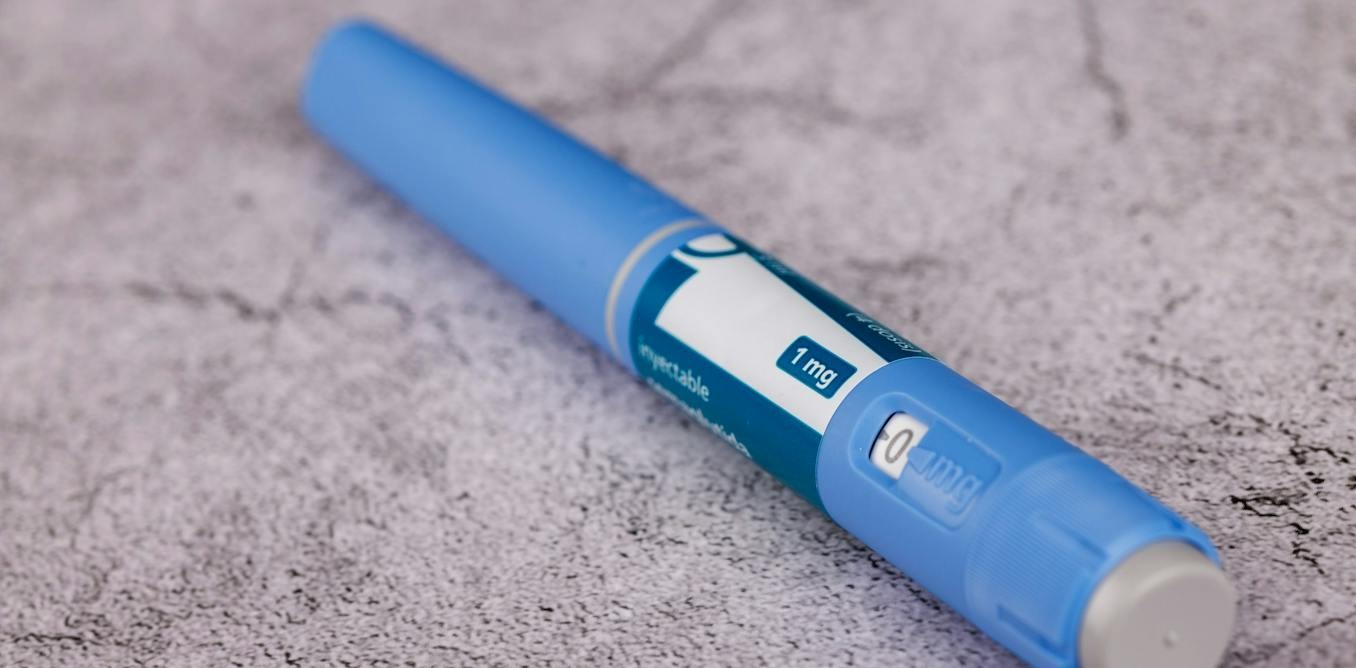
司美格魯肽注射筆示意圖,Unsplash+。

Obesity medication is an important pillar of obesity management and should be monitored as part of a comprehensive, multidisciplinary approach to care. (Obesity Canada) , CC BY-NC-ND

Current guidelines recommend people using GLP-1 medications to engage in resistance exercise to optimize their body composition for the best results. (Obesity Canada) , CC BY-NC-ND