据《Times Colonist》转载Six Mountains的报道,生物学家Helen Davis近日在Cowichan Valley一棵逃过砍伐的西部红雪松底部确认一个黑熊巢穴,位置距运动场及柏油路仅50米、离餐厅350米。Davis过去34年考察过约200个沿岸熊穴,包括Sooke及Qualicum Beach附近残存大树中离地四至八米的巢穴。她认为,熊选在如此靠近人和车流的地方冬眠,反映温哥华岛东南部适合作巢的老树已十分缺乏。
该区属卑诗面积最小、最稀有的沿岸花旗松生物地理气候区,老林最少、保护区最少、濒危物种最多。熊穴在Haida Gwaii和Great Bear Rainforest受保护,但卑诗沿岸其他地方包括温哥华岛并无同类保护;这棵树虽在小型保护林内,附近住宅开发清地可能令它不再适合作巢。Davis的公司Artemis Wildlife Consultants制定了自愿性林业指引,建议熊穴周围留出至少60米缓冲区,并提出以直径120厘米、内腔至少70厘米的树桩加盖木板改造成人工熊穴;她在Jordan River一带记录到一个这样的熊穴连续四年被使用。
Davis在现场装设的感应相机已拍到至少两只熊前来查看。Cowichan Watershed Board将于12月14日晚7时在Vancouver Island University Duncan校区140号讲堂举办她的免费讲座。
来源:Times Colonist 原报道。大鱼新闻整理原创中文摘要;保留原刊发日期。
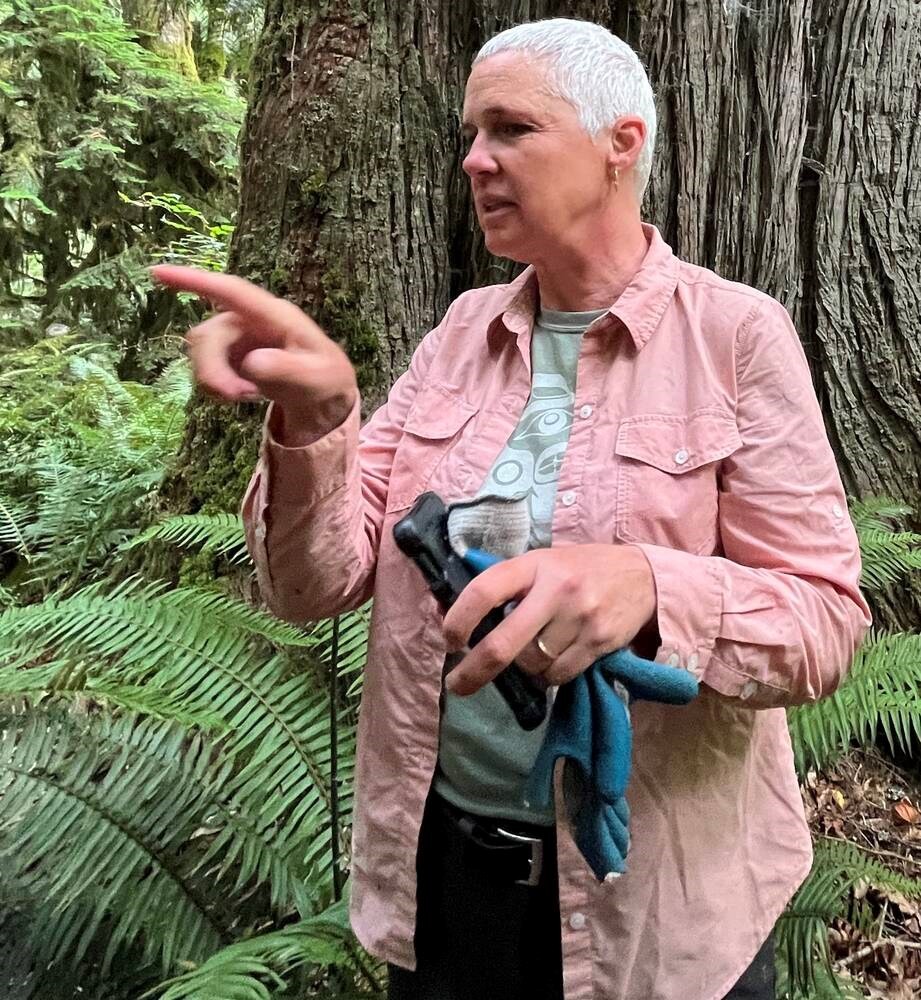
Biologist Helen Davis has explored upwards of 200 coastal den sites over the past 34 years, including urban sites in rem … alicum Beach. In those two locations, dens are in elevated chambers four to eight metres off the ground. SIXMOUNTAINS.CA
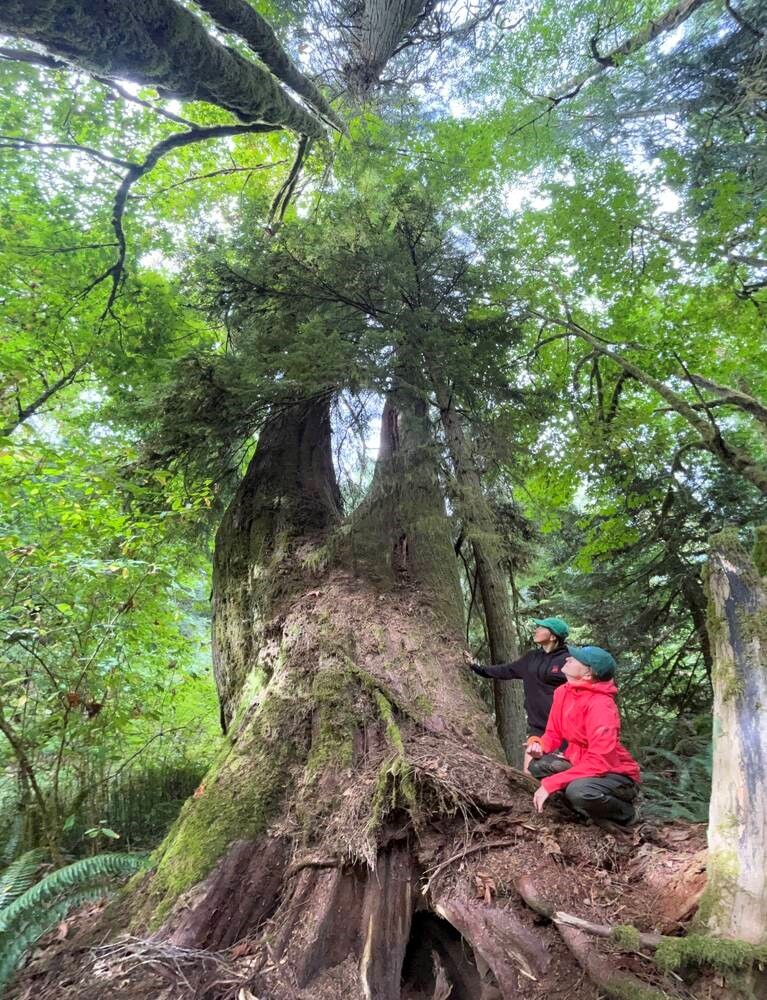
Laura Mina Mitic and Sarah Jackman admire a western red cedar. Most old cedars are naturally hollow in the centre, with decay-resistant outer shells, which makes them great dens, says biologist Helen Davis. SIXMOUNTAINS.CA