BBC文化频道11月27日刊文,盘点2026年在Z世代(约1997至2012年出生)及阿尔法世代(约2012至2025年出生)中流行的俚语。柯林斯词典已选mogging为年度词,原指在外貌、风格或自信上压倒他人,源自男性圈子的“AMOG”说法,今年使用量增加210%;Dictionary.com则选后缀-maxxing为年度词,意指把某事做到极致,如sleep-maxxing、protein-maxxing。
其他入选词包括:aura(个人气场)及刻意耍酷的aura farming;代表童心与玩乐生活态度的whimsy;形容AI生成低质内容的slop,以及今年相对使用频率增长1,300%的slopaganda(AI宣传品);指多画面并列短片的sludge;嘲讽AI机器人的clanker;戏称他人“老土”的unc;源自1984年恐怖片、现泛指傻瓜的chud;以及可接在任何词后、表示“带有某种气质”的-coded。
受访语言学家Grant Barrett指出,许多词借自既有社群语言,例如unc源于非裔美国英语的亲属称谓用法,年轻人使用时未必认同其原始背景。伦敦国王学院俚语档案负责人Tony Thorne认为,不少用语带有反讽和玩笑成分,年长一辈往往难以把握。
来源:BBC News 原报道。大鱼新闻整理原创中文摘要;保留原刊发日期。
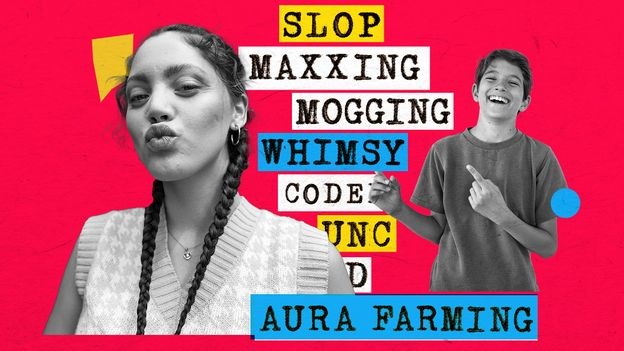
A collage of a young girl pouting to the left of a list of words: Slop, Maxxing, Mogging, Whimsy, Coded, Unc and Aura Farming, with a young boy smiling and pointing to the words on the right (Credit: BBC/ Javier Hirschfeld/ Getty Images) (原报道主图,此为资料图)