本周发表于期刊《Ecology》的研究指出,加拿大及美国的住宅内,除了人和宠物,至少还住着2,000种野生物种,从亚洲瓢虫、各式蜘蛛到偶尔出现的短吻鳄。研究由Colorado State University生态学家Bradley Allf领导,透过iNaturalist应用程序的“Never Home Alone”公民科学项目,收集1996至2024年间来自美国各州及加拿大各省约3,000人提交的逾23,000张照片,再由专家鉴定;大部分拍自住宅,也有办公室、学校及机场等。
研究团队相信实际物种更多,因近半观察只能鉴定到较大类别,约52%物种只被记录过一次。最常被记录的是亚洲瓢虫,会损坏地毯及衣物的杂色地毯甲虫排第四,长体幽灵蛛排第五。共同作者、纽芬兰Memorial University蜘蛛学家Catherine Scott提醒,最常被报告的不一定最常见,因人们较易留意体形大、颜色鲜艳的物种。
Allf指出,不少物种本就以室内为天然栖息地,例如德国蟑螂从未在户外发现,搬到屋外反而更危险;他建议若生物不危险也不造成困扰,可以留在原处。项目仍在接受全球观察记录。
来源:CBC News 原报道。大鱼新闻整理原创中文摘要;保留原刊发日期。
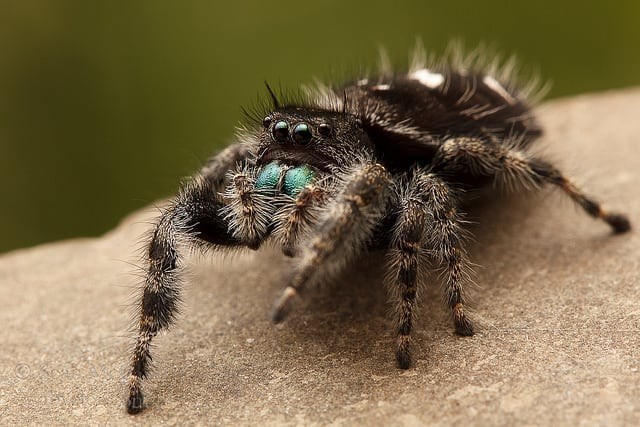
The bold jumping spider was one of the spiders commonly found in people's homes and submitted to the Never Home Alone study, to researchers' surprise. (Catherine Scott)
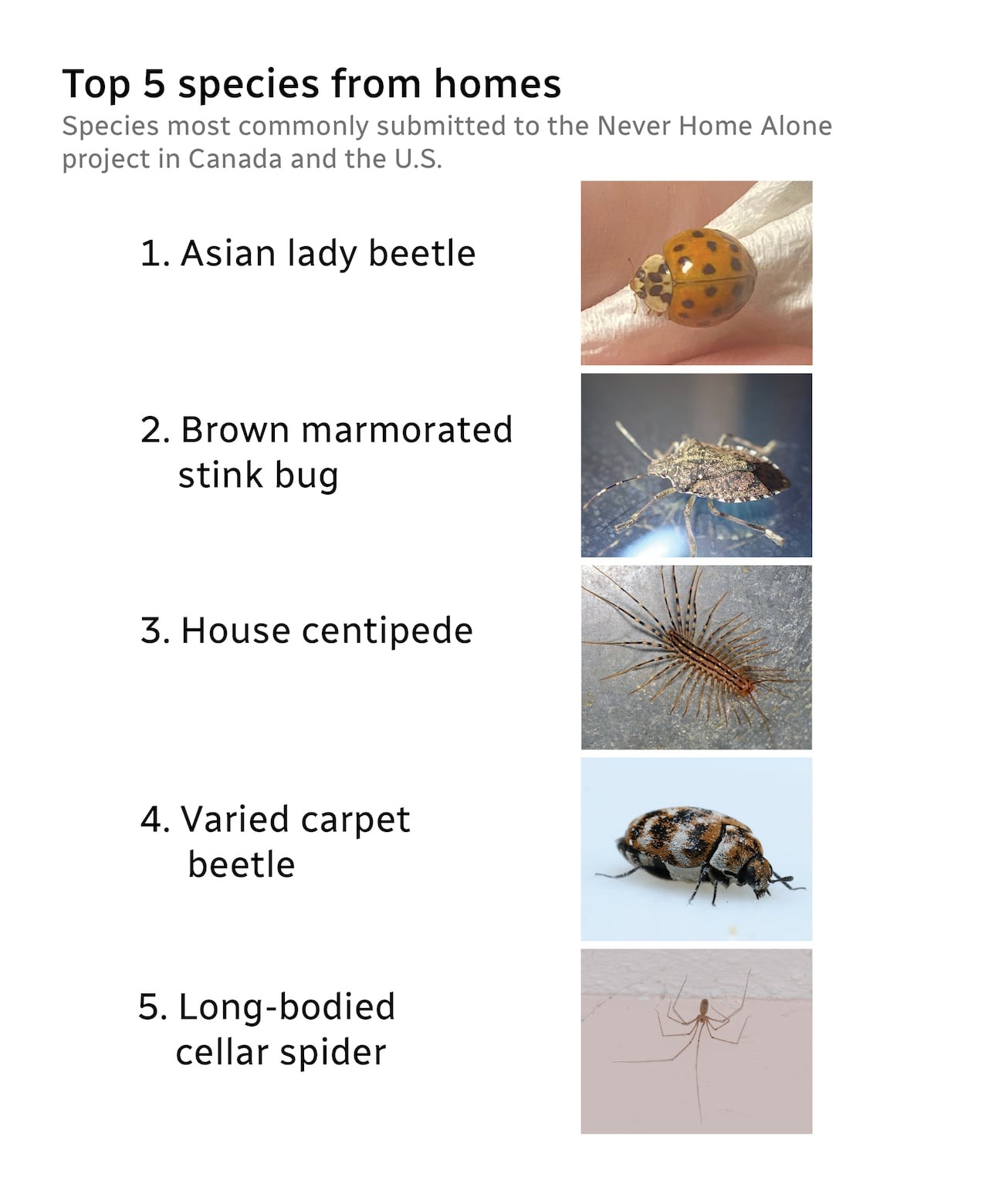
(CBC)
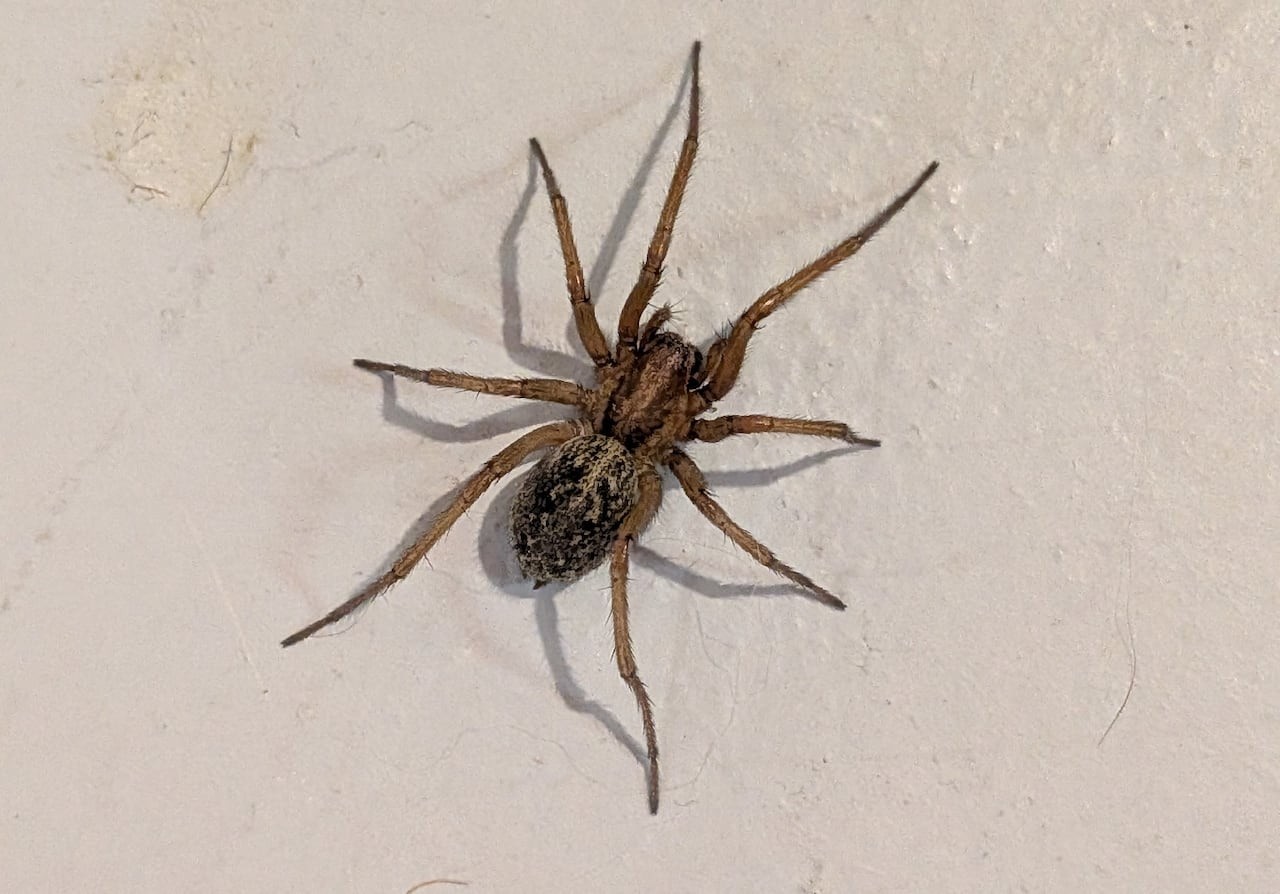
This is one of the most recent observations from the Never Home Alone project. Submitted from Fort George, B.C., it's be … piders were among the most common types of animals found, and there was a huge diversity. (Never Home Alone/iNaturalist)
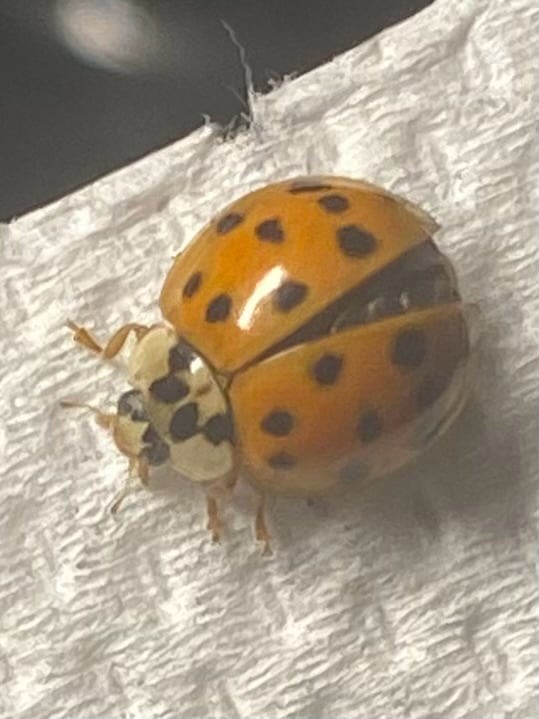
This Asian lady beetle was submitted to the project from Longeuil, Que. This was the species most commonly submitted to the project in North America. (Never Home Alone/iNaturalist)
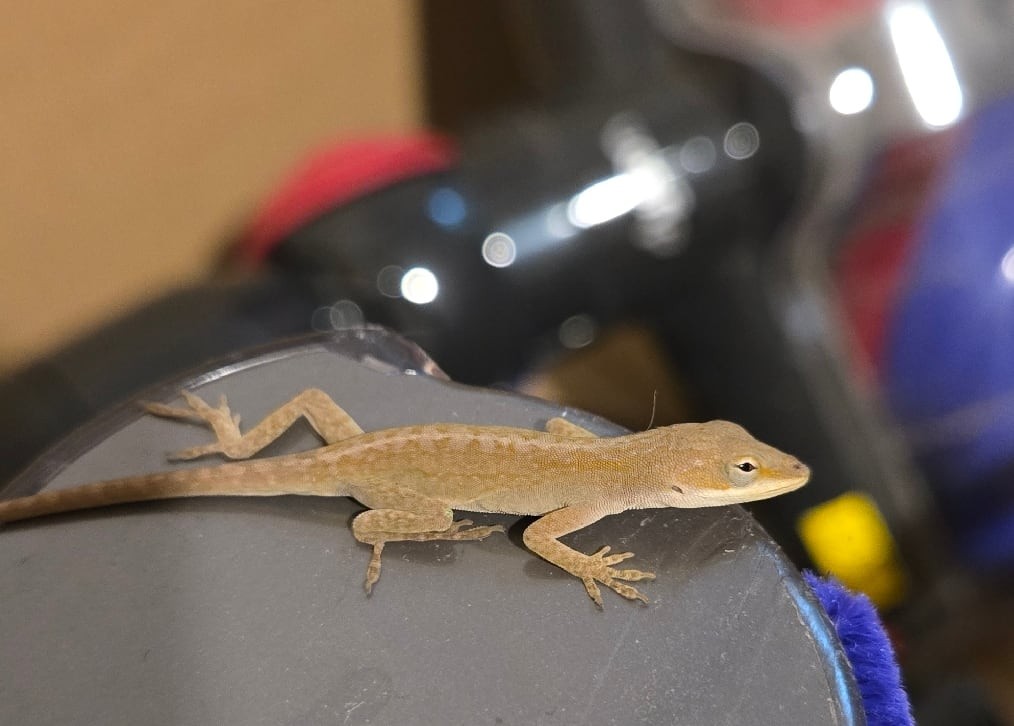
This green anole was submitted to the Never Home Alone project from a home in Raleigh, N.C. That was among the species that lead research Bradley Allf contributed to the project. (Never Home Alone/iNaturalist)