愿望与可行性之间
研究者以努纳武特长者John Amagoalik的经历说明:他因治疗曾在两千多公里外的渥太华辅助生活设施住16个月,后来在朋友协助下返乡。个案不代表所有长者,却提醒家庭,选择养老地点不仅是问愿不愿意留下,还取决于当地有没有合适服务。
不能只计算身体风险
作者在安省Hamilton周边乡村及小镇研究中观察到对私家车的依赖。失去驾驶能力后,如果没有替代交通,影响的不只看诊和买菜,也包括见朋友、义工工作与参与社区。搬入服务更多的住处可能降低部分风险,却也可能带来孤独和失去熟悉关系;留在原屋同样不必然是自由选择。
真正的选择需要具体支持
作者建议同时检查交通、无障碍且可负担住房、健康和社会服务,以及缺口由谁补上。家属、邻居和朋友很重要,但不能成为居家养老唯一基础。这是研究者对社区规划的分析,不是所有家庭适用的医疗处方,也未宣布新的政府福利资格。
来源:The Conversation(职业治疗与康复研究者分析) 原报道。大鱼新闻整理原创中文摘要;保留原网页刊发日期。

Having a choice about where one lives as one grows older requires realistic options. (Unsplash/Nick Karvounis)
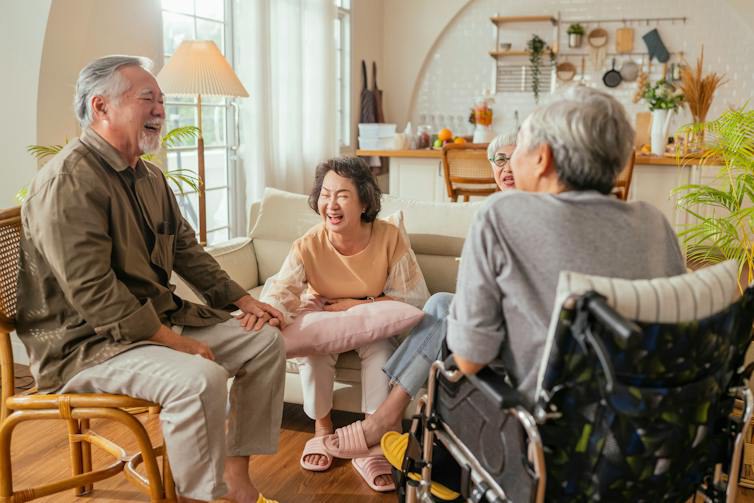
Feasibility of aging in place depends on an older person’s circumstances and supports available where they live. (Unsplash+/Getty Images)

Having a choice about where we live as we grow older requires realistic options. (Unsplash+/Getty Images)

Mobility is about much more than getting from one place to another. (Unsplash/Jomarc Nicolai Cala)