CBC 11月23日报道,卑诗Squamish省立公园Alice Lake正安装一台曝气装置,希望消除湖中的蓝绿藻(蓝藻)水华。湖泊过去三年多次因蓝藻水华关闭,今年9月3日亦曾关闭并劝喻人和宠物不要下水;B.C. Parks数据显示,去年访客超过50万人次。这是Sea-to-Sky地区首台同类装置。
负责项目的湖沼学家Ken Ashley已在卑诗安装逾20台类似设备。装置外形像弹簧床架,以铁链沉至约14米深,连接湖面一个橙色浮标,把压缩空气送入湖中,理论上约每三日令全湖循环一次,水面只会见到浮标周围约20米的水流。湖水降至摄氏7度后,将经卫星网络启动,Ashley预计当日(11月23日)即可开动。
据温哥华沿海卫生局资料,蓝藻毒素可令人及宠物出现呕吐、腹泻、发烧、皮疹及头晕等症状。Ashley称该湖每十年升温约1度,气候变化令问题恶化。省府表示,系统不能保证日后不再出现水华,B.C. Parks会持续监测水质;项目由B.C. Parks车牌计划出资,并呼吁公众不要触碰湖中浮标。
来源:CBC News 原报道。大鱼新闻整理原创中文摘要;保留原刊发日期。
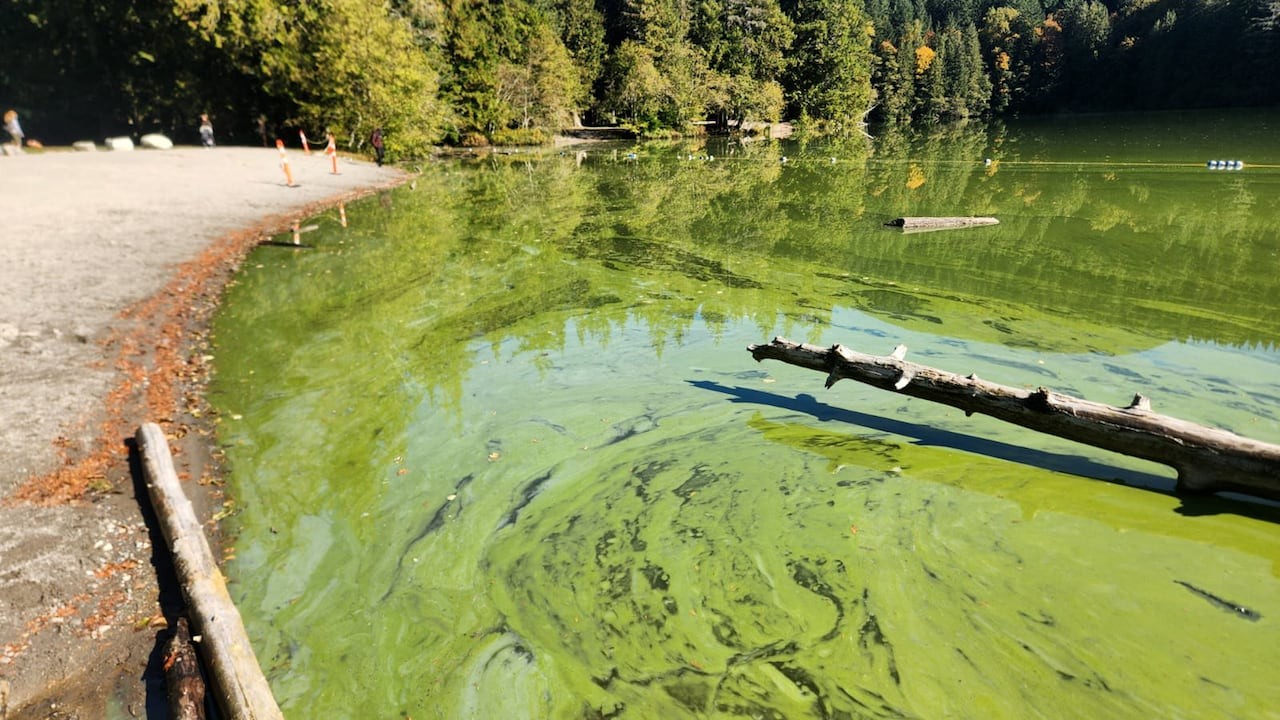
A blue-green algae bloom at Alice Lake caused officials to close the lake on Sept. 3, and ask people and their pets not to swim in the water until further notice. (Shannon Harris/B.C. Ministry of Water, Land and Resource)
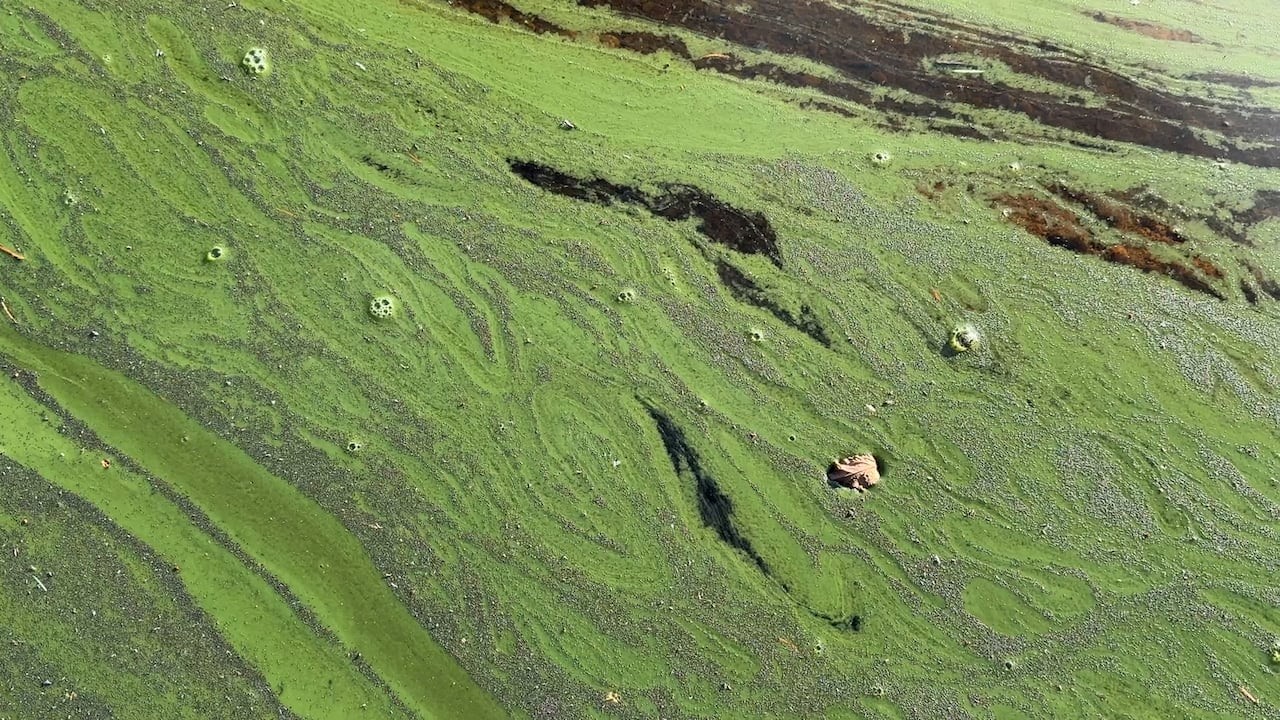
Blue-green algae blooms are showing up in lakes in the southern part of B.C. Environmental engineer Ken Ashley says it indicates a lake is not in very good shape. (Alanna Kelly/CBC)
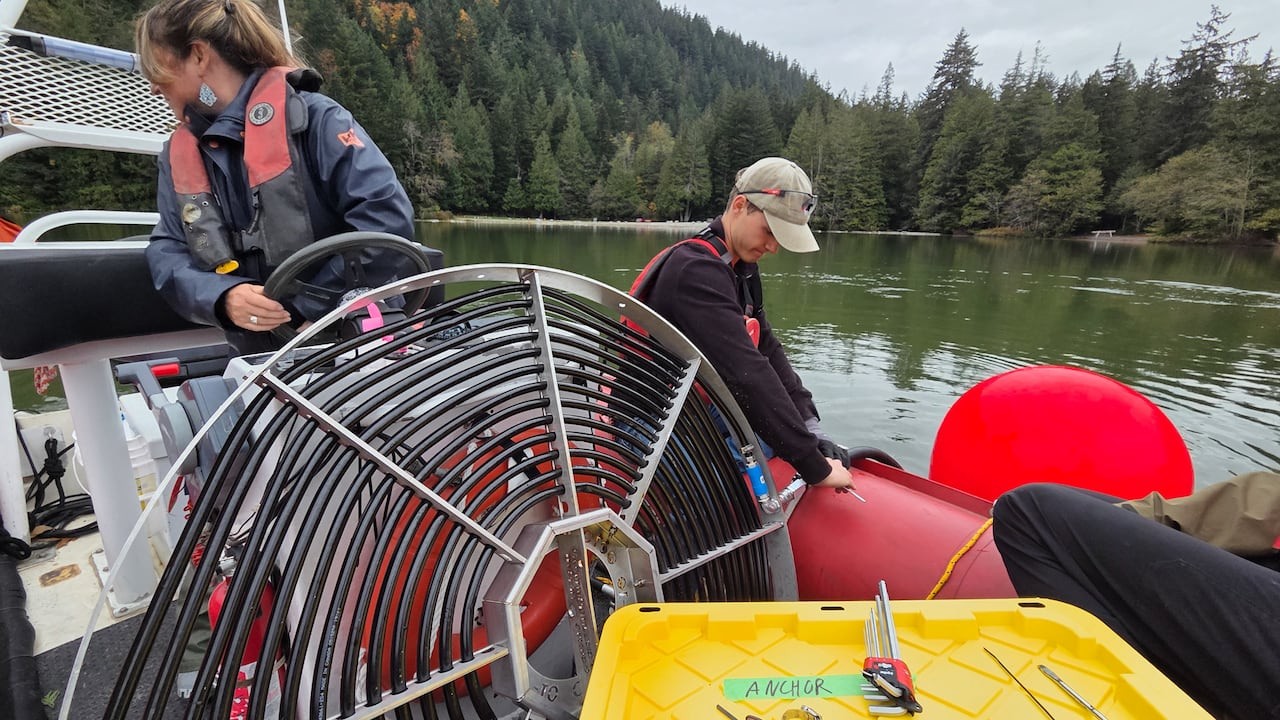
The large circular 'bubble diffuser' that will be dropped into the lake. (Shannon Harris)
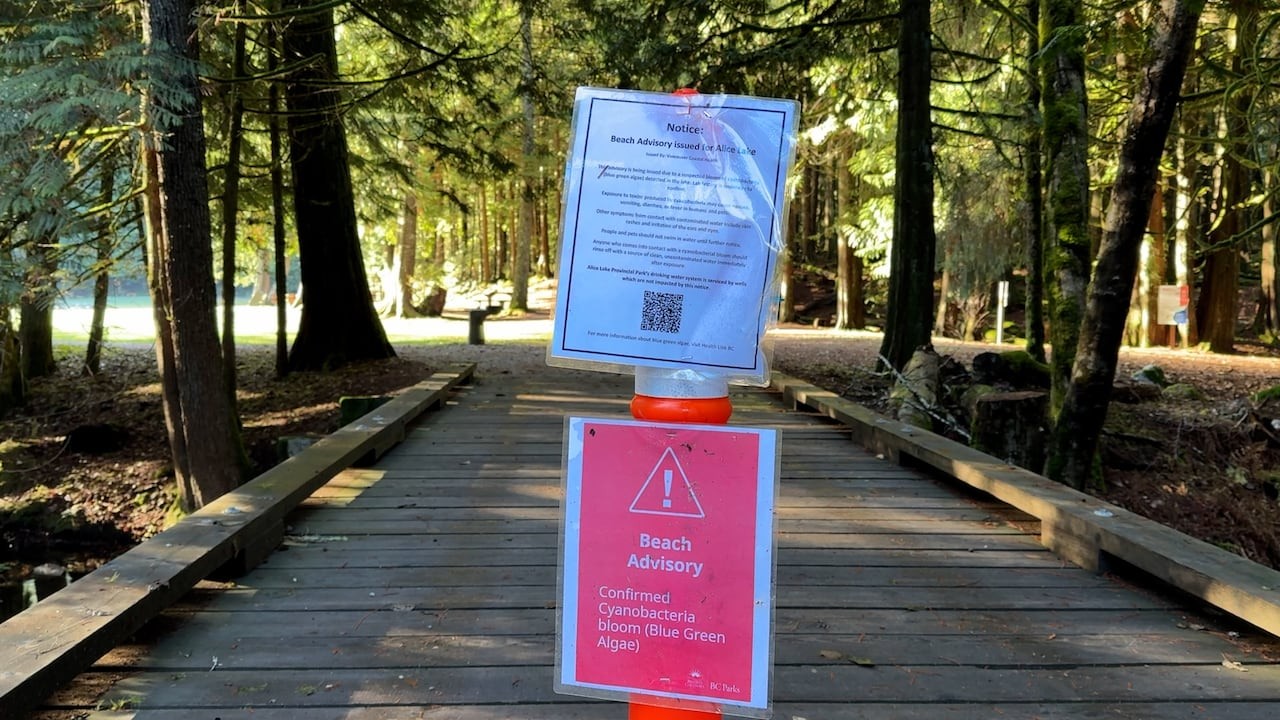
A cyanobacteria bloom was first discovered at Alice Lake in 2024 and has appeared every year since. (Alanna Kelly/CBC)
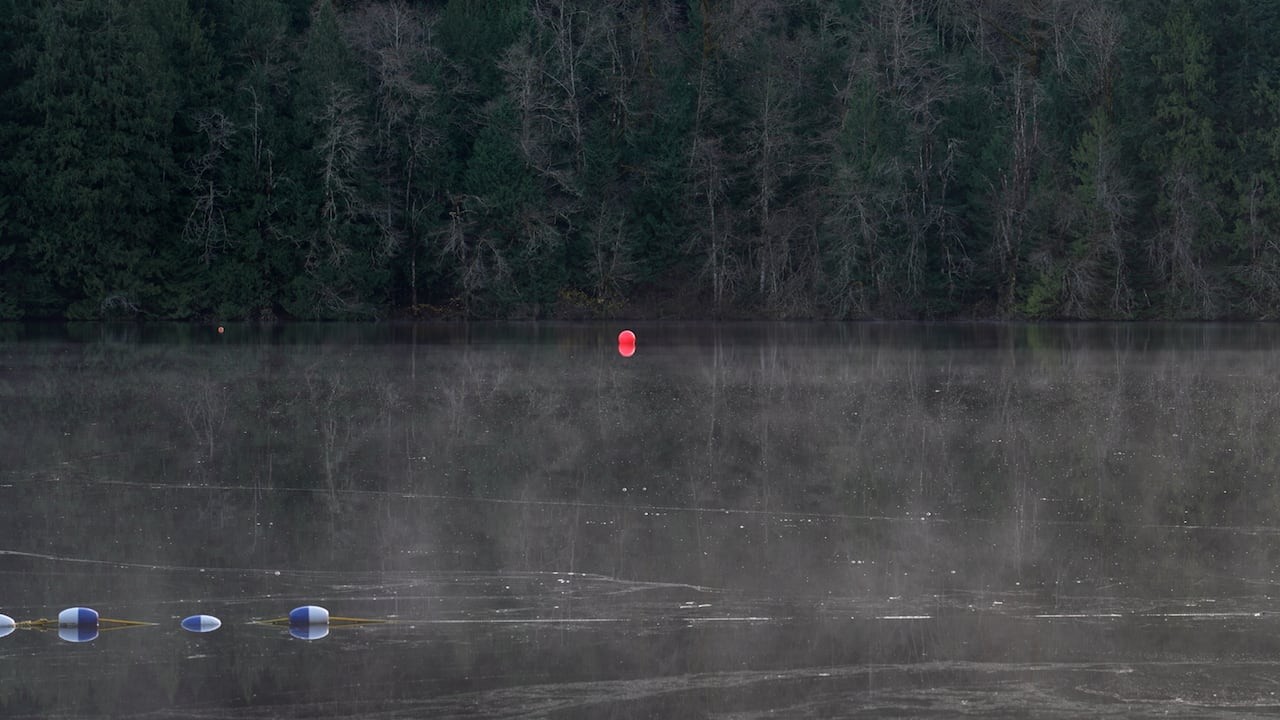
Scientists hope people will leave the buoy in the middle of the lake alone so they can continue to collect data and aerate the lake. (Alanna Kelly/CBC)